More about HKUST


Achievements
Community
Corporate Projects
Exchange
Field Trips & Visits
Internship & Career
Undergraduate
Office
Research
Seminars & forums
Student Activities
T&M-DDP
Postgraduate
EVMT
Innovation
Entrepreneurship
Sustainability
Engineering
Environment
Air Quality
GBA
PublicPolicy
ENVR
PPOL
Teaching&Learning
Technology
Research and Technology
Greater Bay Area
IIM
Fintech
Alumni
AMC
Art Management
Artificial Intelligence
Arts
ArtTech
Cultural Studies
DesignTech
Emerging Interdisciplinary Areas
EMIA
Extended Majors
Faculty
HealthTech
IDT
ISD
Machine Creativity
MarineTech
MPM
MPP
SustainableTech
TIE
TLE
Achievements & Competitions
AIS Students Excel at the Global Sustainability Challenge 2025–26 Asia-Pacific Regional Finals
11/03/2026
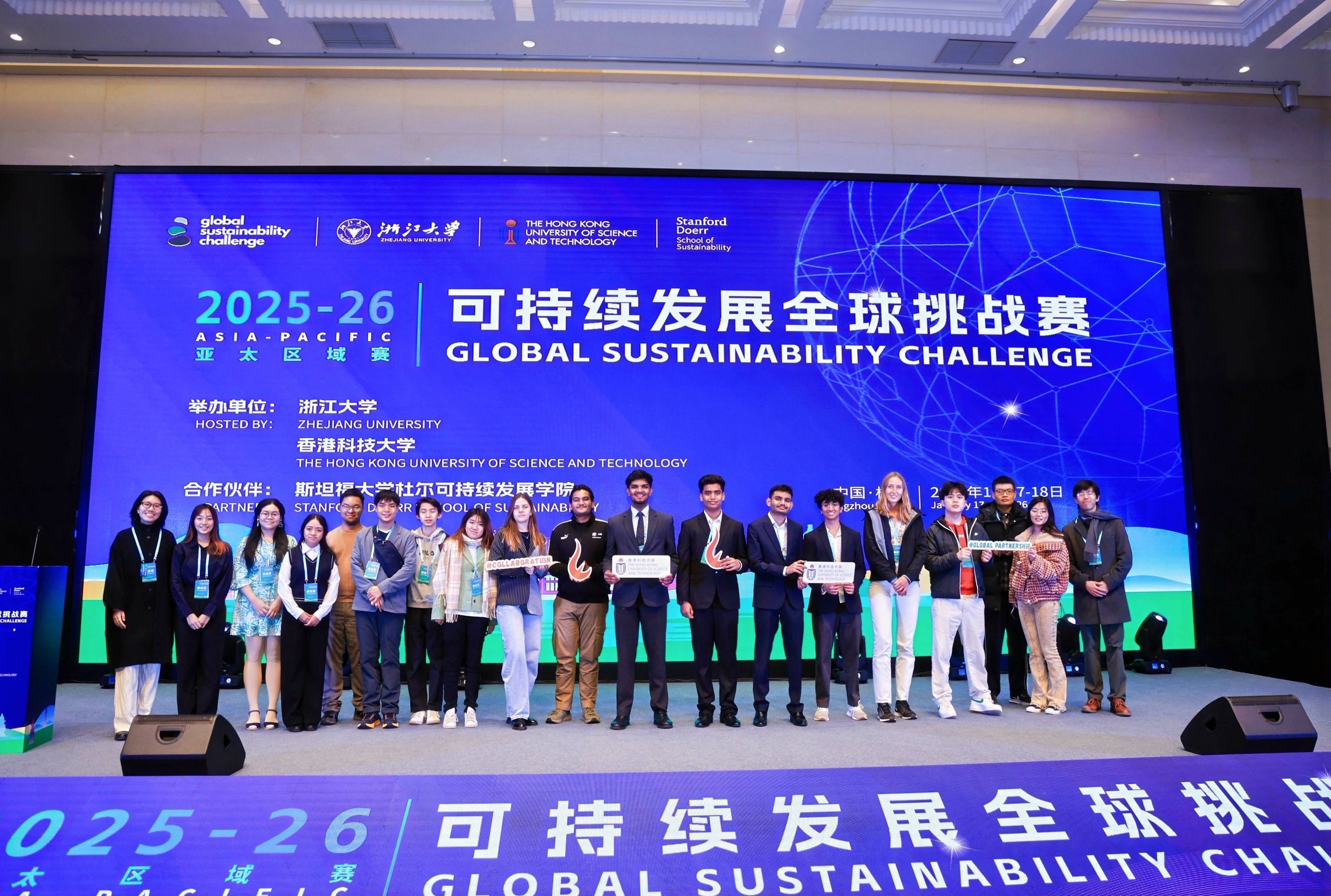
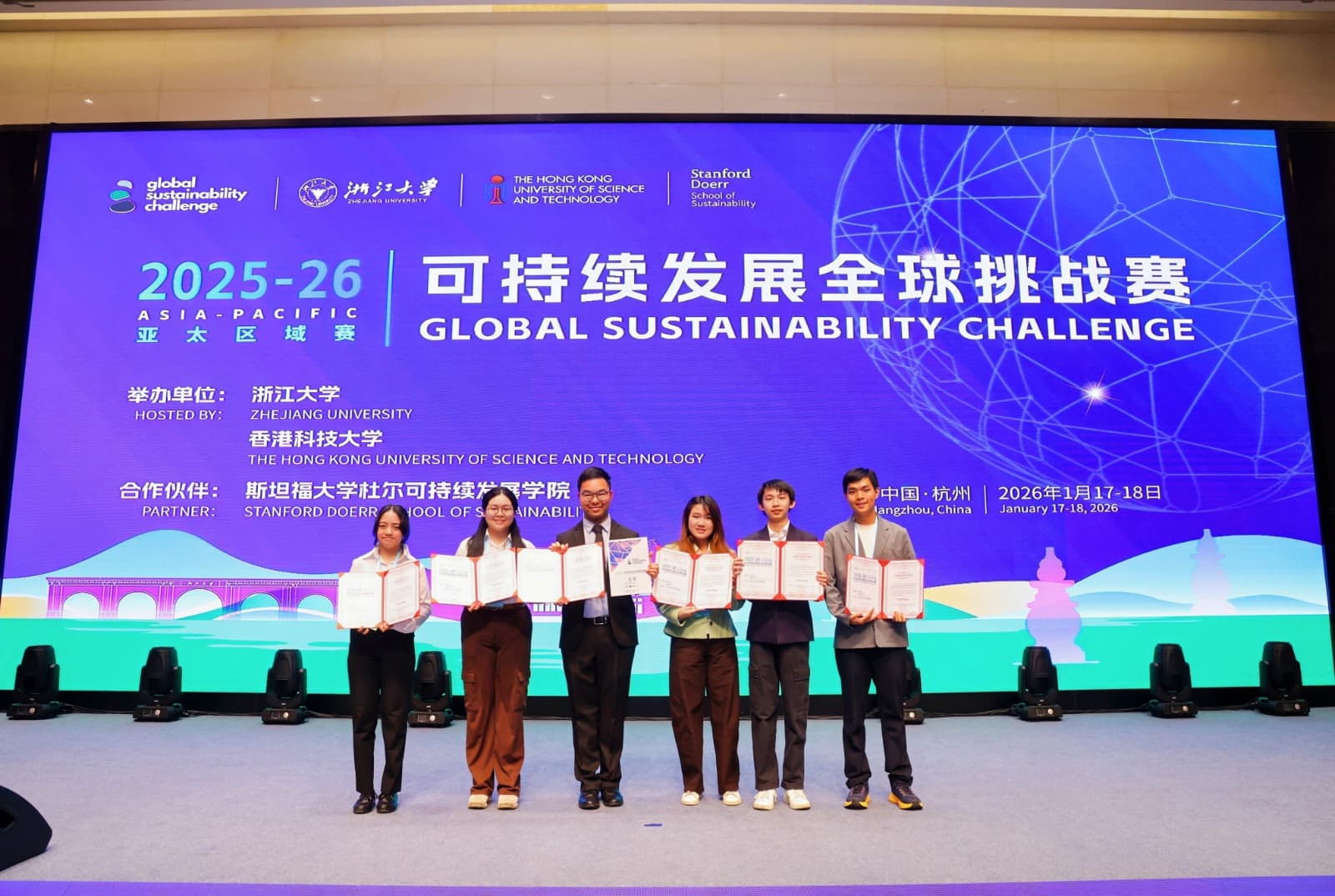
Congratulations to the three student teams from AIS for achieving outstanding results at the Global Sustainability Challenge 2025-26 Asia-Pacific Regional Finals!
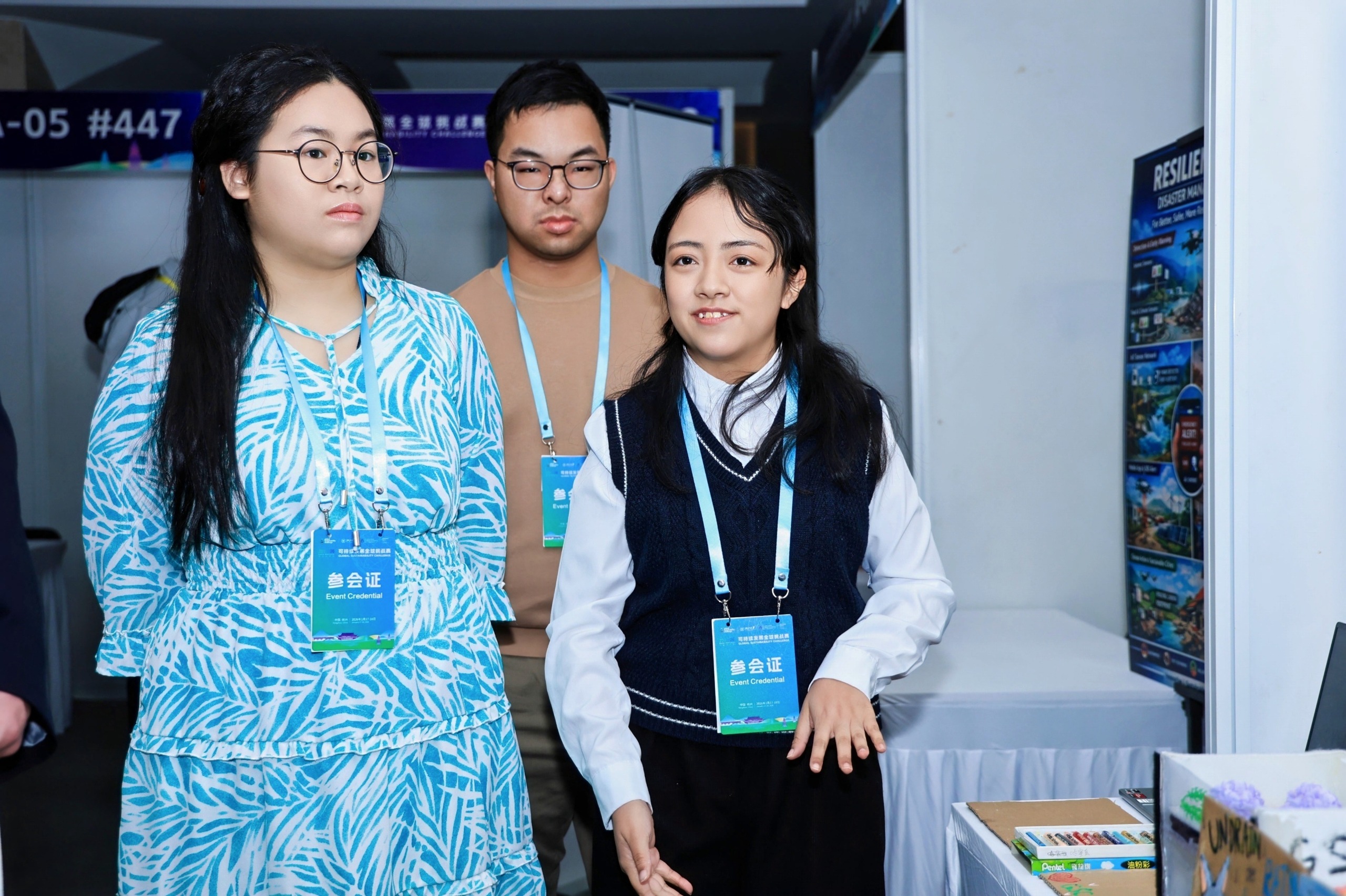
Three teams comprising students from the Academy of Interdisciplinary Studies (AIS) have achieved outstanding results at the Global Sustainability Challenge 2025–26 Asia-Pacific Regional Finals, competing among 67 shortlisted interdisciplinary teams from across the region.
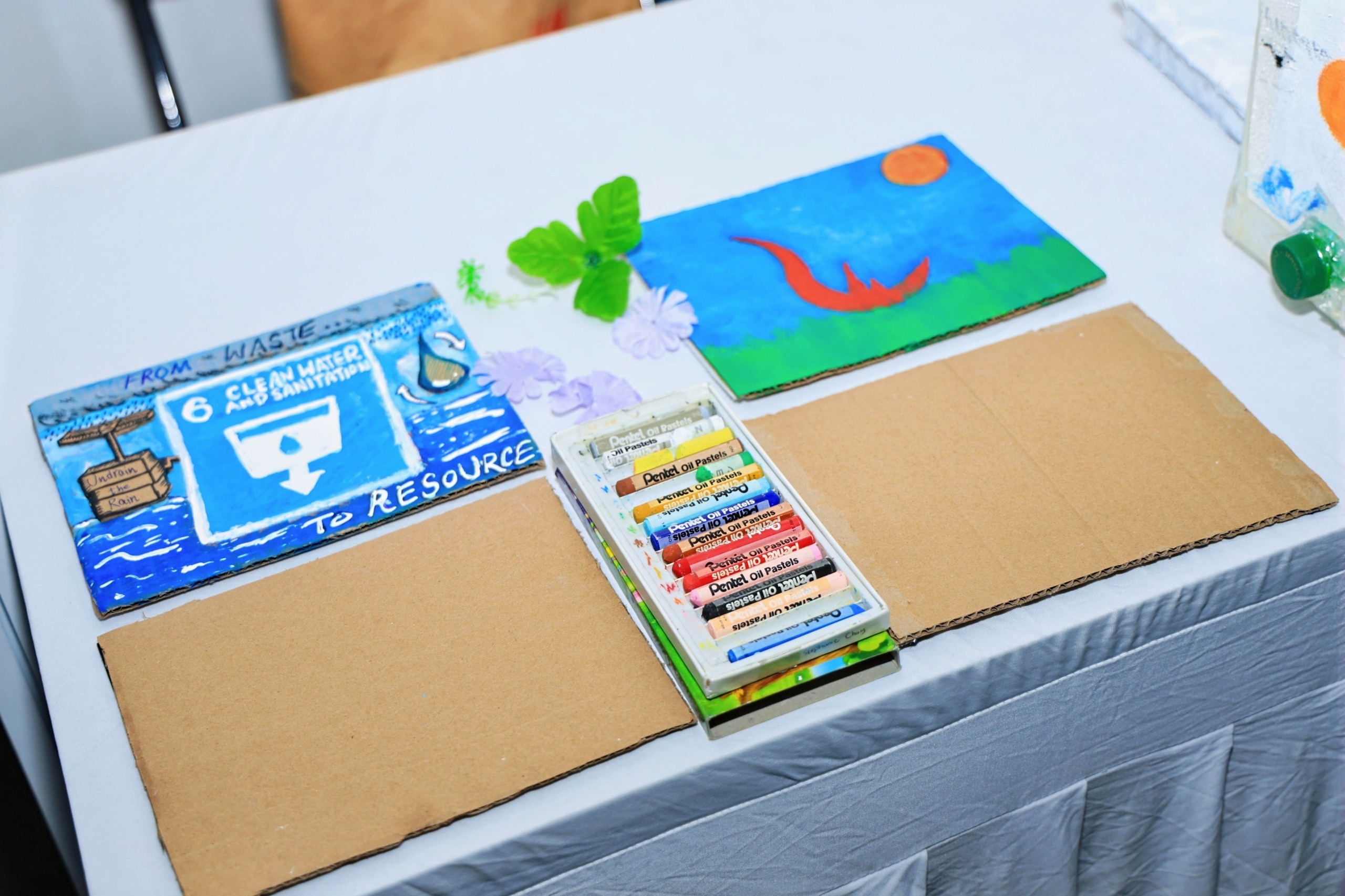
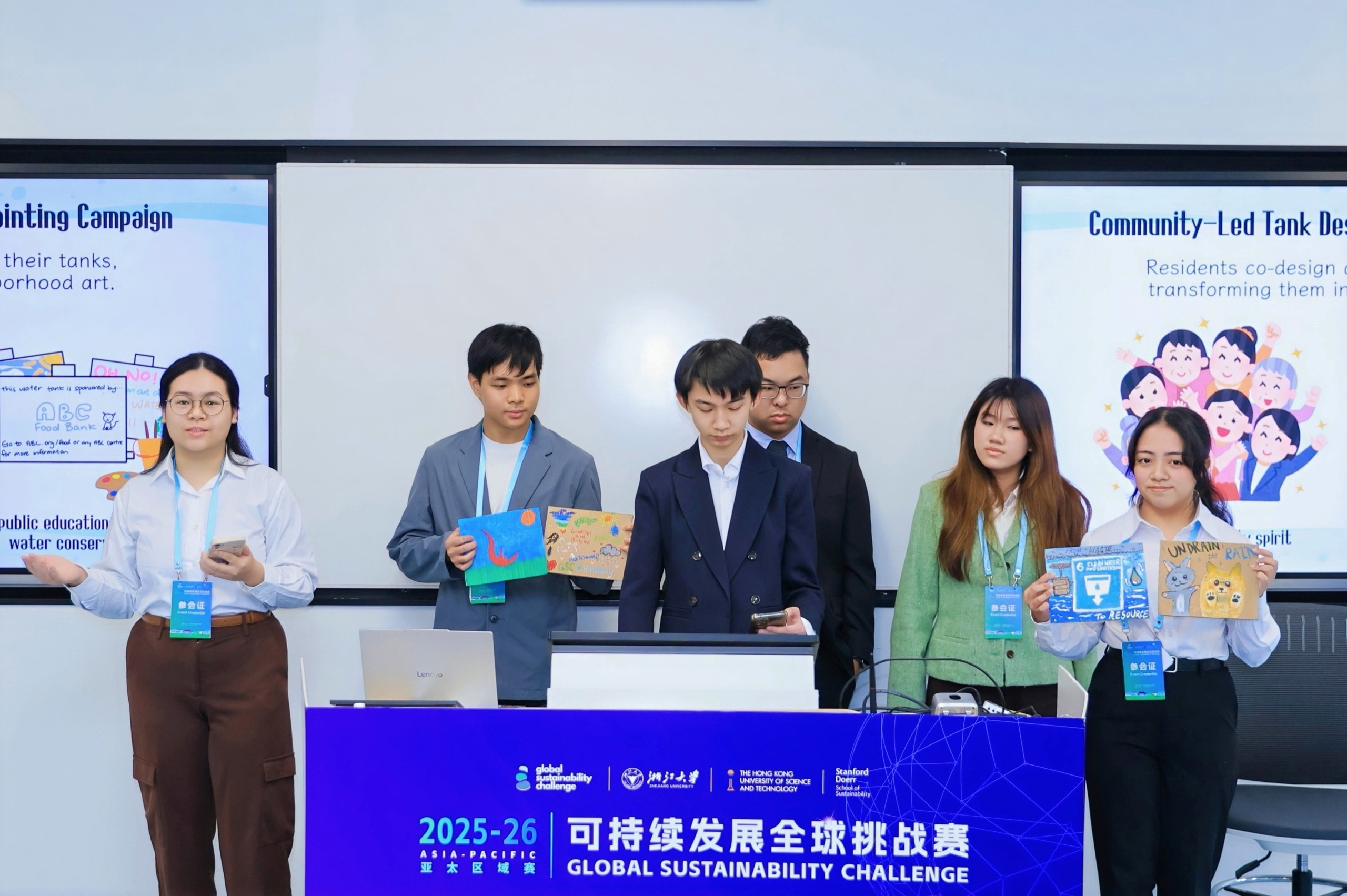
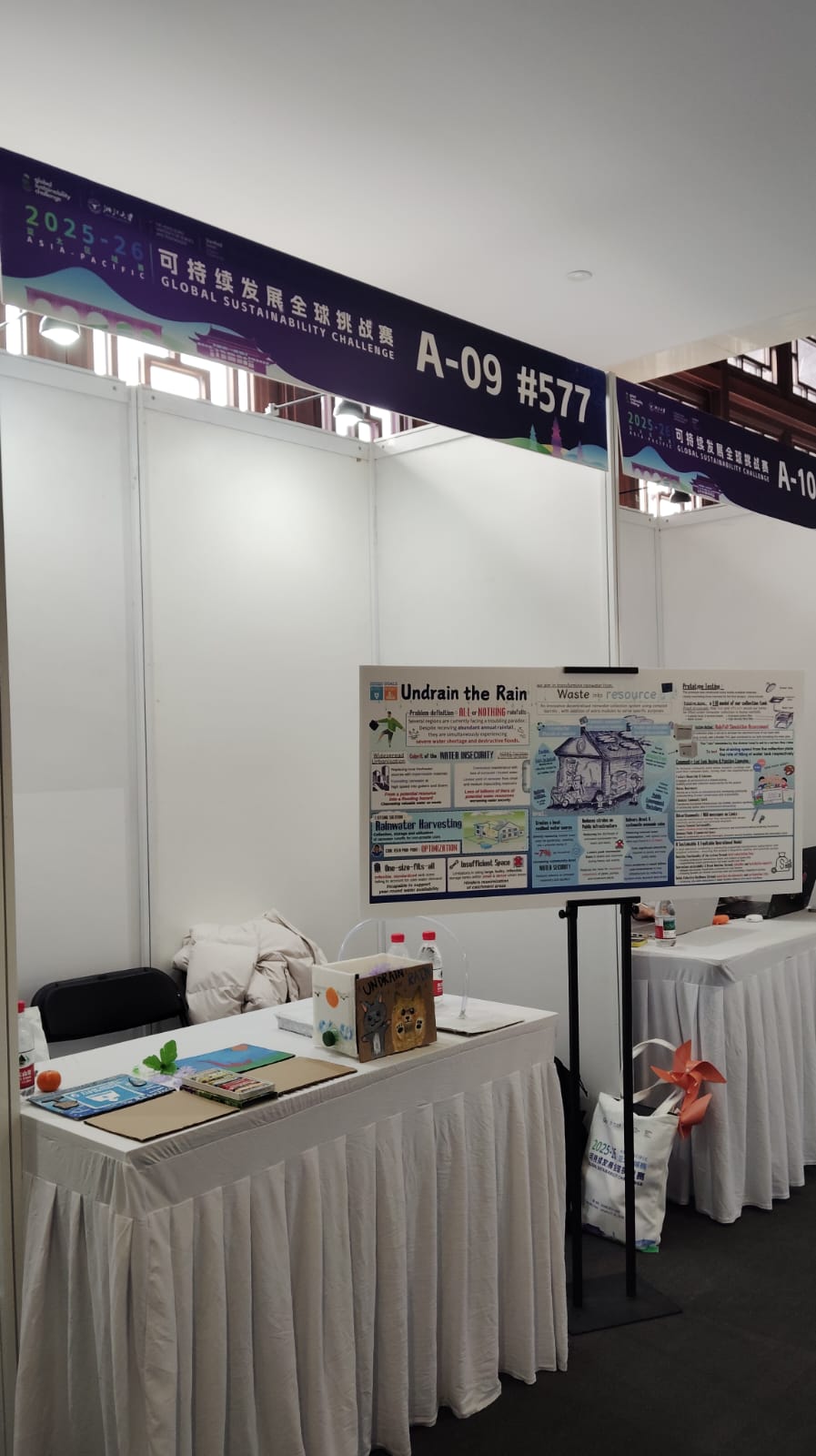
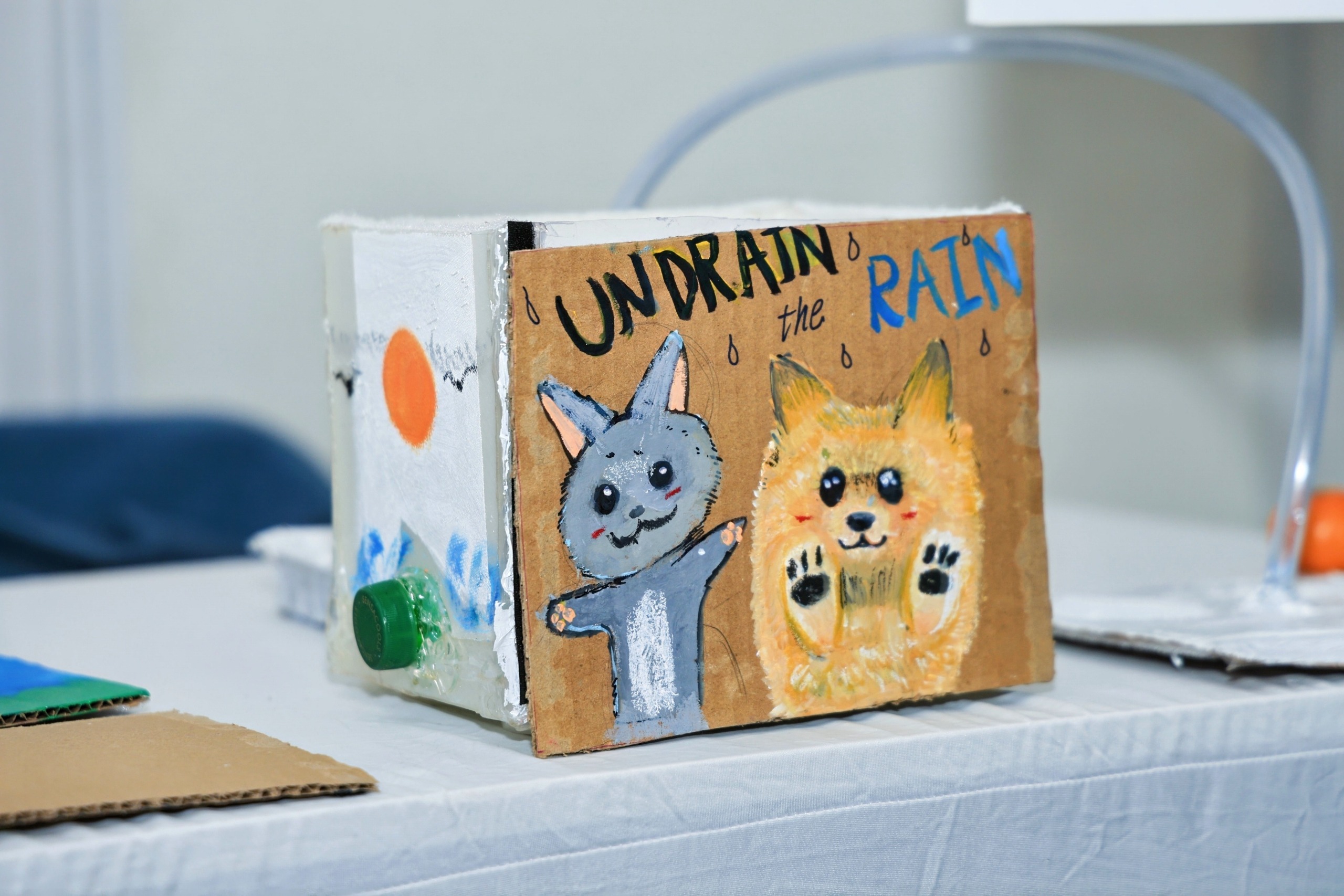
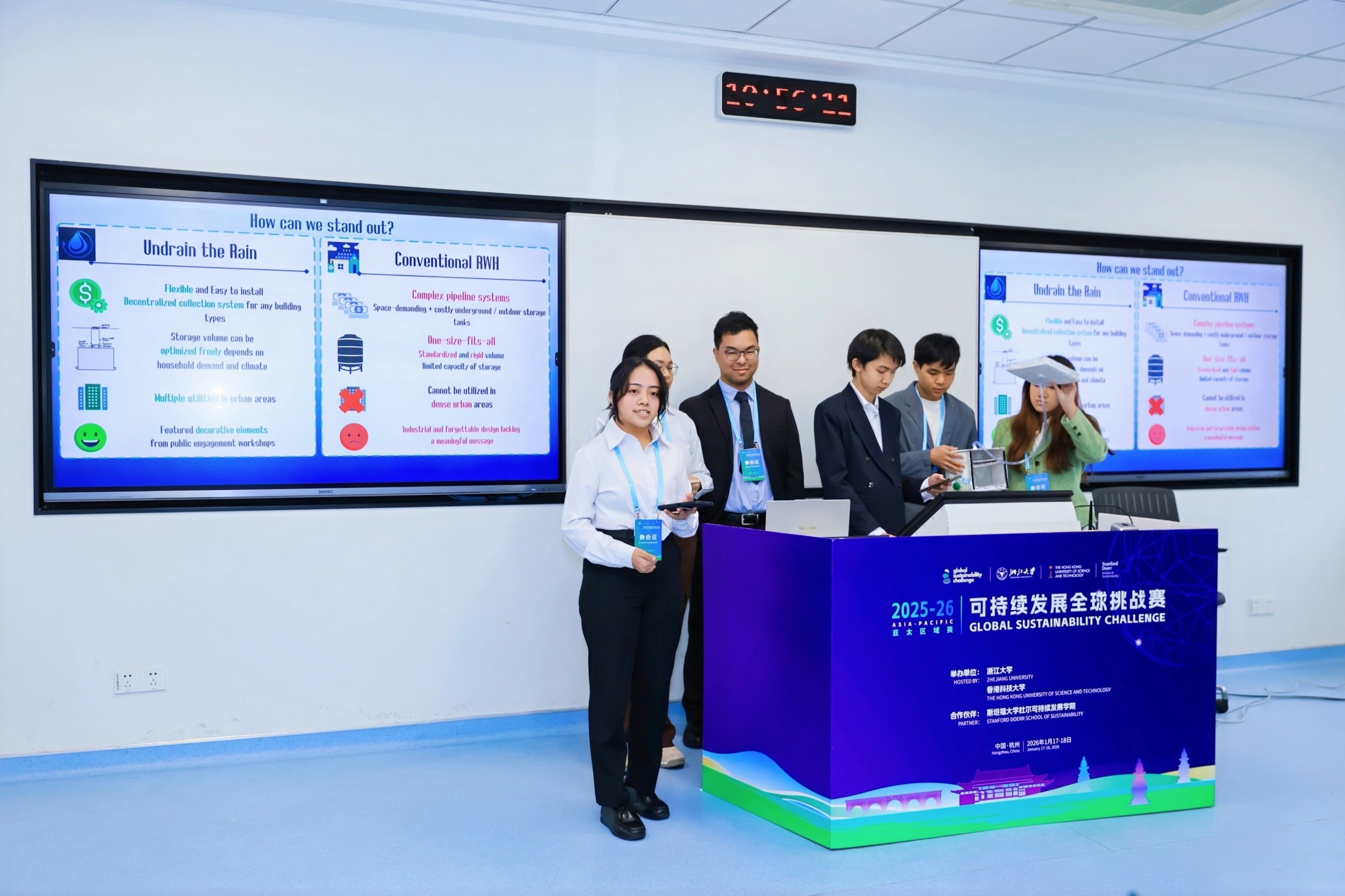
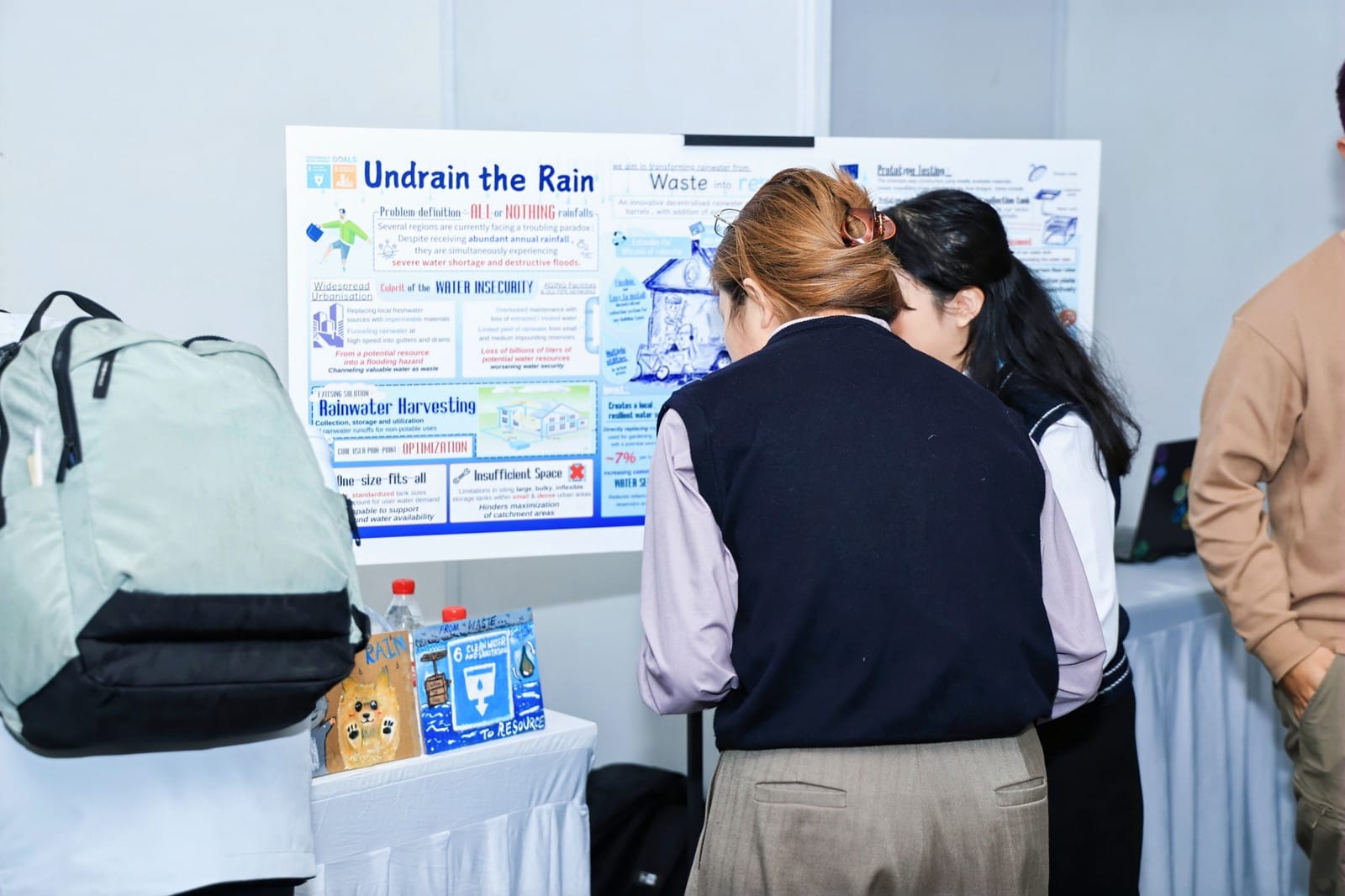
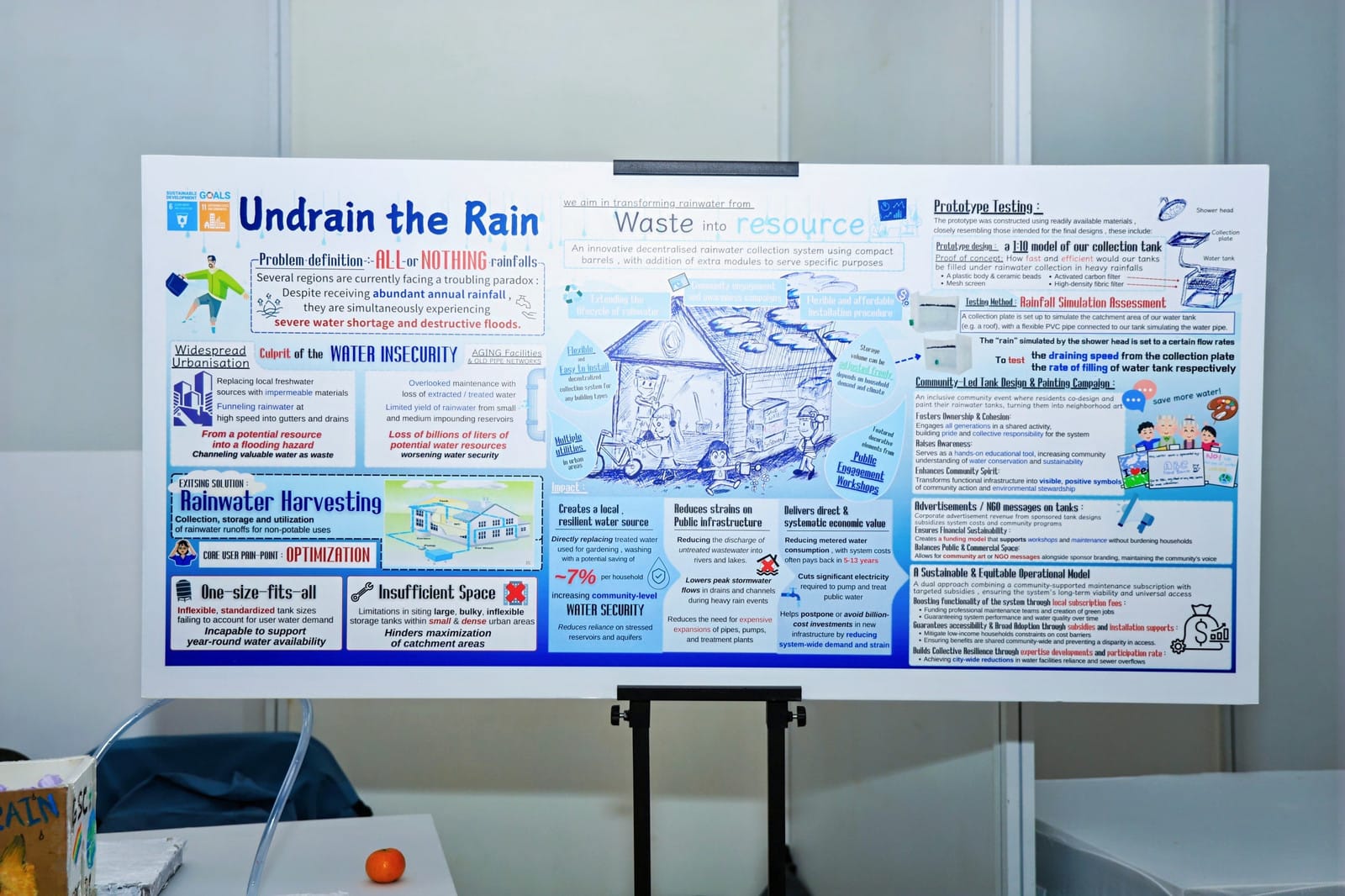
A team of BSc in Environmental Management and Technology (EVMT) students—Mathew CHAN, Ekko CHIU, Angel LI, Cyrus TONG, John TSUI and YU Ka-Hang— received the First Prize for their project “Undrain the Rain”. The initiative proposes a decentralized approach to rainwater harvesting and storage to enhance water security. The team built a scaled‑down model that successfully demonstrated the system’s ability to collect rainwater, supported by quantified, well-correlated data to validate its feasibility.
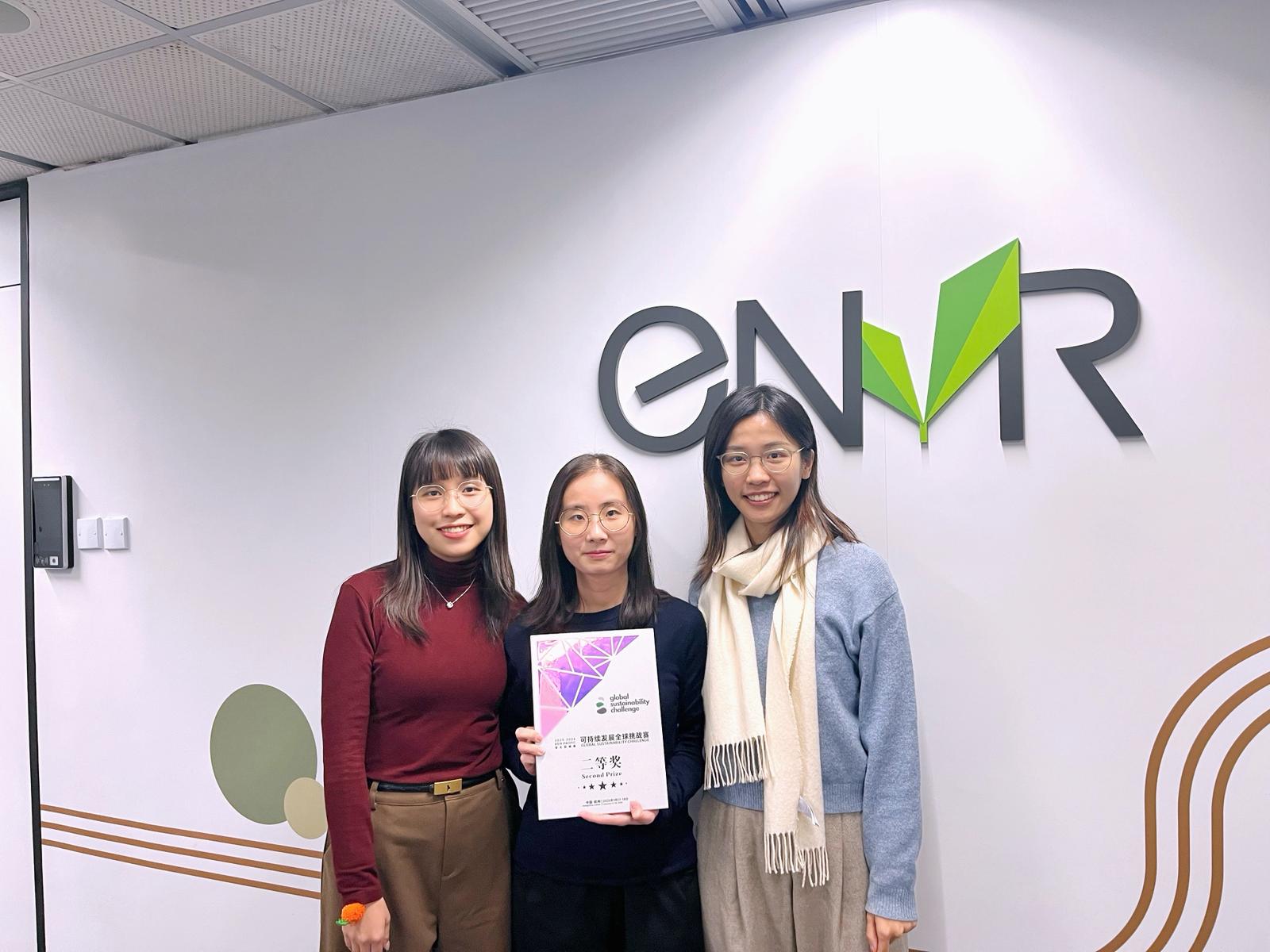
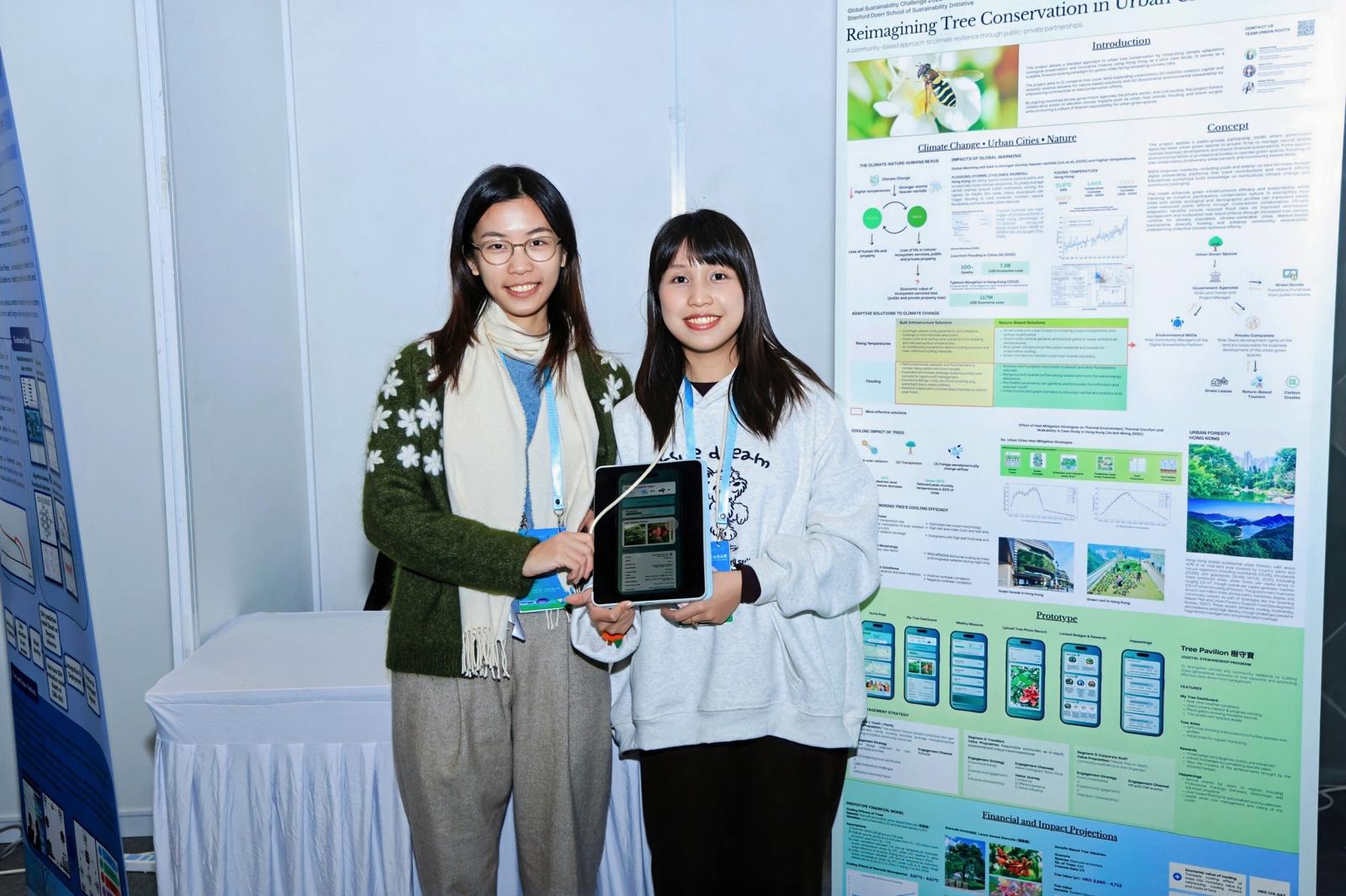
Building on this momentum, the Second Prize went to students of MSc in Environmental Science and Management (EVSM)—Hazel CHAN, Sincere PANG and Ashley WONG—for their project “Urban Roots”. They introduced a community‑based approach for enhancing climate resilience through public-private partnerships. Central to their design is the “Tree Pavilion” mobile app prototype, which engages youth, families, corporates, and tourists in collecting urban tree data. The platform quantifies the cooling effects and ecosystem benefits of trees while uncovering their hidden financial value through green finance products.
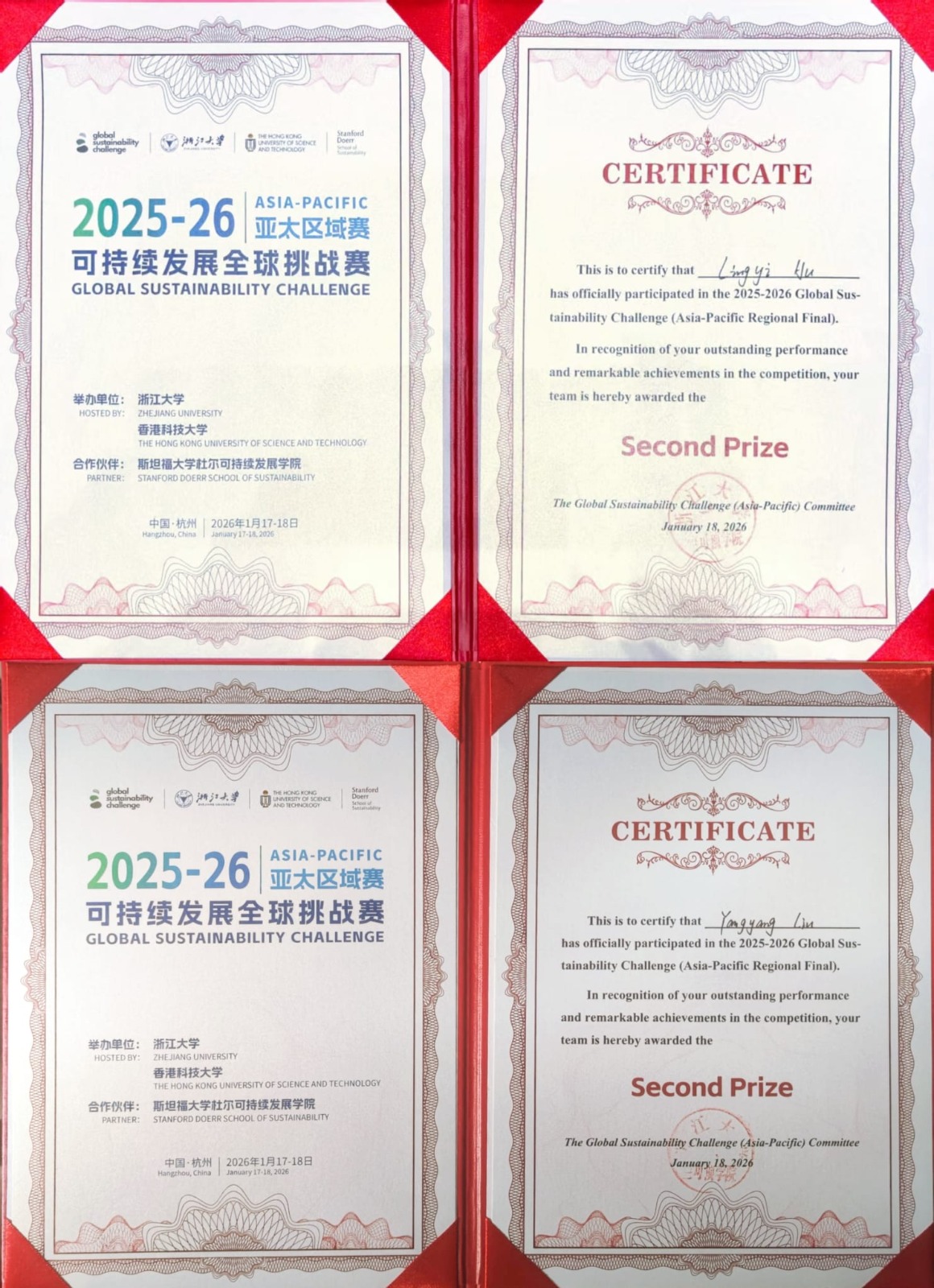
Another Second Prize was awarded to Master of Public Policy (MPP) students—HU Lingyi and LIU Yangyang—for their project “Climate‑Ready Megaprojects: Decoupling Urban Expansion from Carbon Loss via Strategic Eco‑Conscious Planning”. Leveraging GIS technologies, the team mapped rural-urban carbon flows across the Greater Bay Area, demonstrating an impressive integration of data-driven spatial design and public policy expertise.
Hosted jointly by The Hong Kong University of Science and Technology (HKUST) and Zhejiang University, in collaboration with the Stanford Doerr School of Sustainability, the Global Sustainability Challenge brings together interdisciplinary teams from across the Asia‑Pacific region. It is designed to transform bold, innovative ideas into real world solutions by providing students with guidance and visibility throughout the entire journey—from early stage research and design to prototyping, testing, and sharing their work on a global stage.
Congratulations to the three student teams from AIS for achieving outstanding results at the Global Sustainability Challenge 2025-26 Asia-Pacific Regional Finals!