More about HKUST


Achievements
Community
Corporate Projects
Exchange
Field Trips & Visits
Internship & Career
Undergraduate
Office
Research
Seminars & forums
Student Activities
T&M-DDP
Postgraduate
EVMT
Innovation
Entrepreneurship
Sustainability
Engineering
Environment
Air Quality
GBA
PublicPolicy
ENVR
PPOL
Teaching&Learning
Technology
Research and Technology
Greater Bay Area
IIM
Fintech
Alumni
AMC
Art Management
Artificial Intelligence
Arts
ArtTech
Cultural Studies
DesignTech
Emerging Interdisciplinary Areas
EMIA
Extended Majors
Faculty
HealthTech
IDT
ISD
Machine Creativity
MarineTech
MPM
MPP
SustainableTech
TIE
TLE
Announcements & Office
Meet Our Faculty: Dr. Jay J. MINUTI
16/03/2026
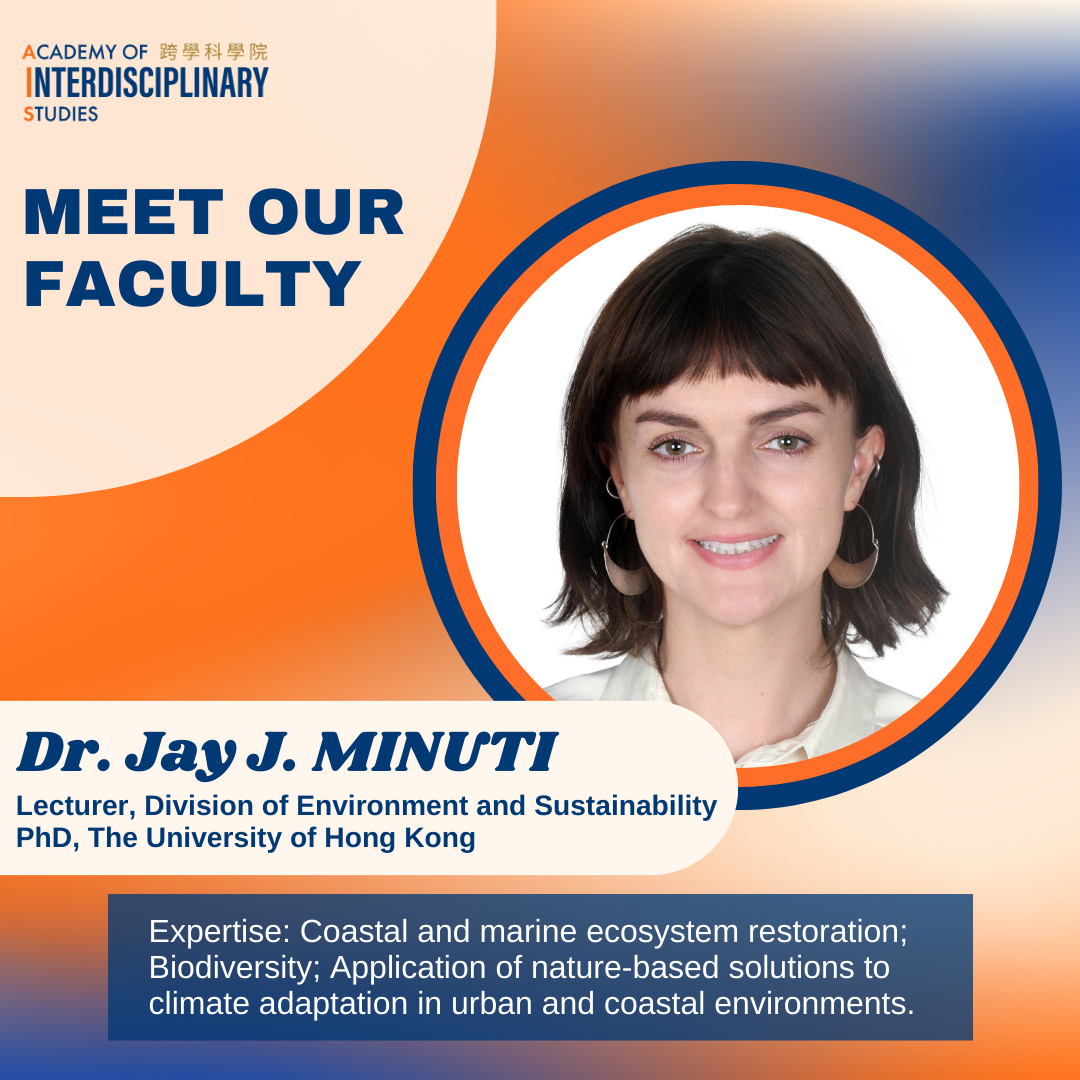
Get to know our new faculty – Dr. Jay J. MINUTI, Lecturer in the Division of Environment and Sustainability (ENVR)!
With over a decade of interdisciplinary experience as a marine ecologist and educator in Hong Kong, Dr. Minuti’s teaching philosophy focuses on research-informed methods and community collaboration. We’re thrilled to welcome her to ENVR, where she will enhance our efforts in biodiversity conservation and environmental sustainability.
Read on to discover Dr. Minuti's insights on research, her journey, and her advice for students!
-----
Could you tell us more about you?
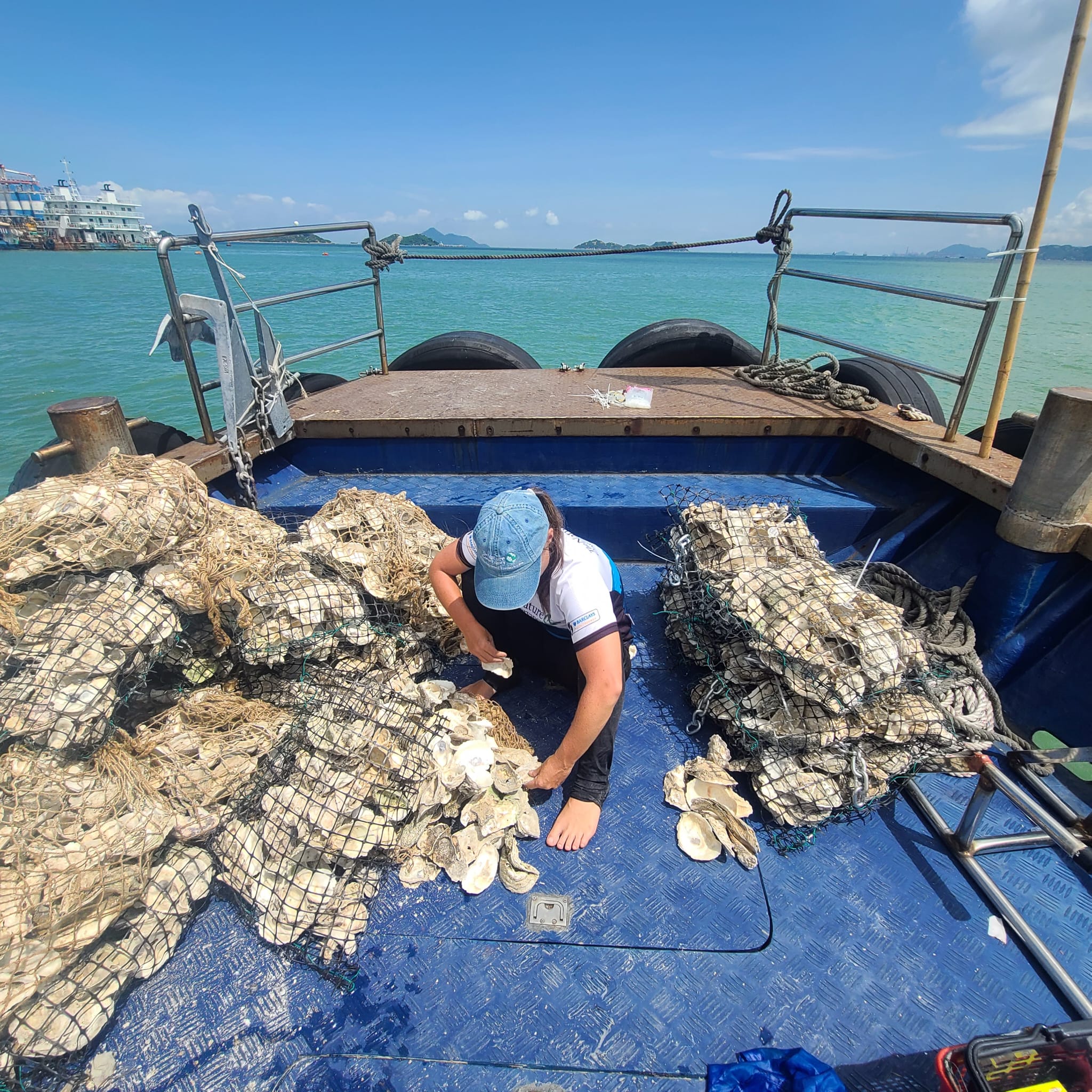
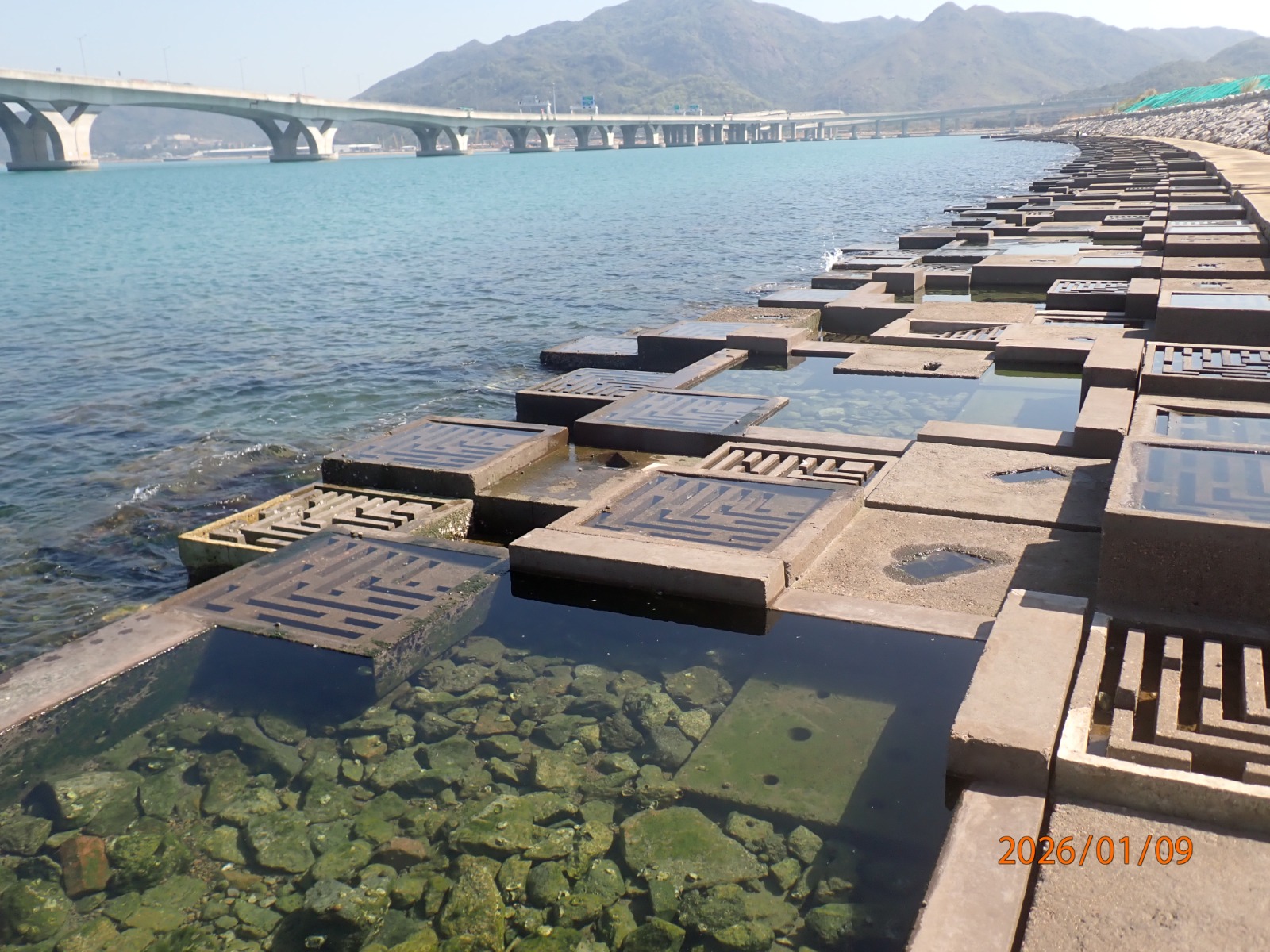
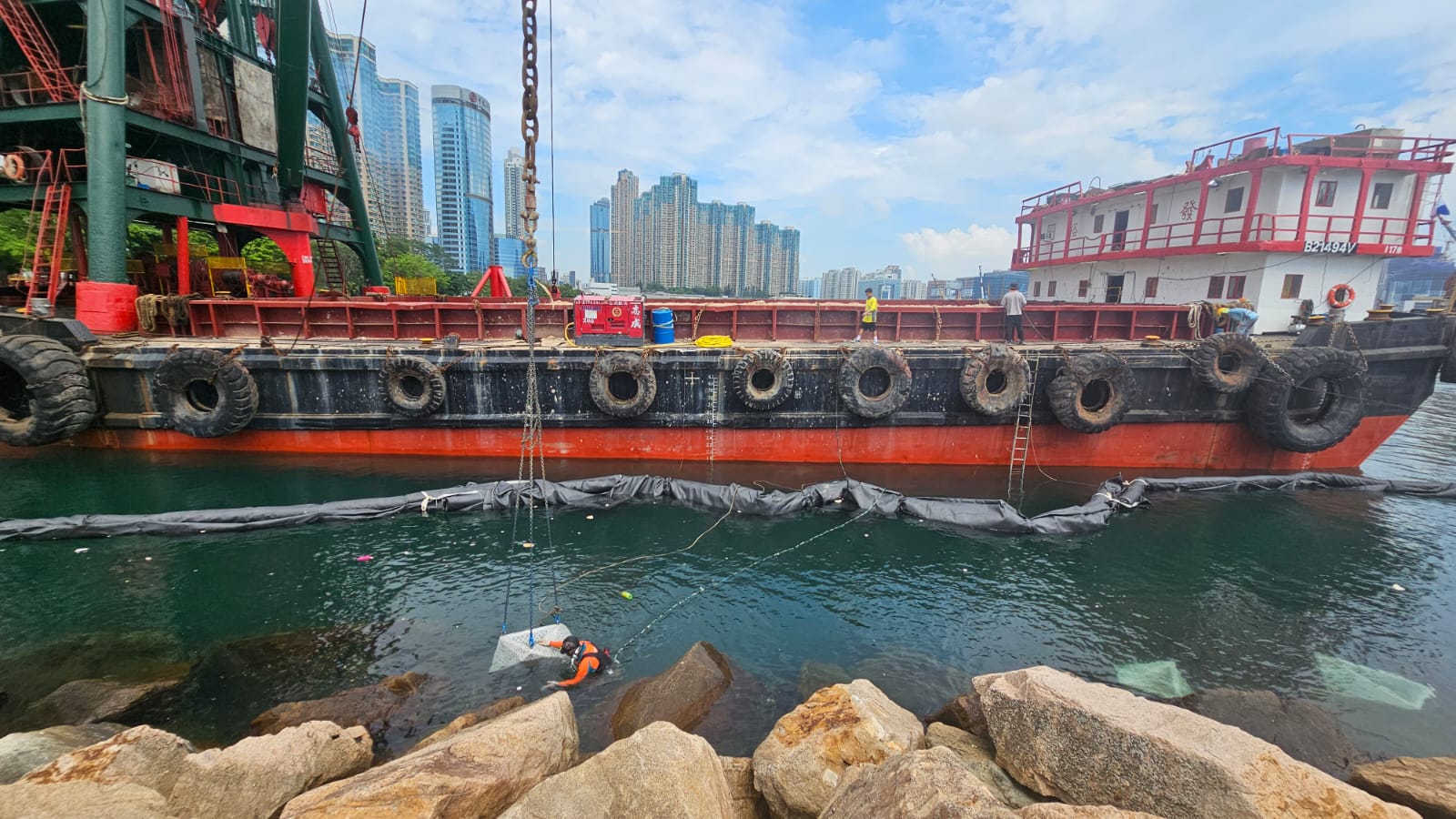
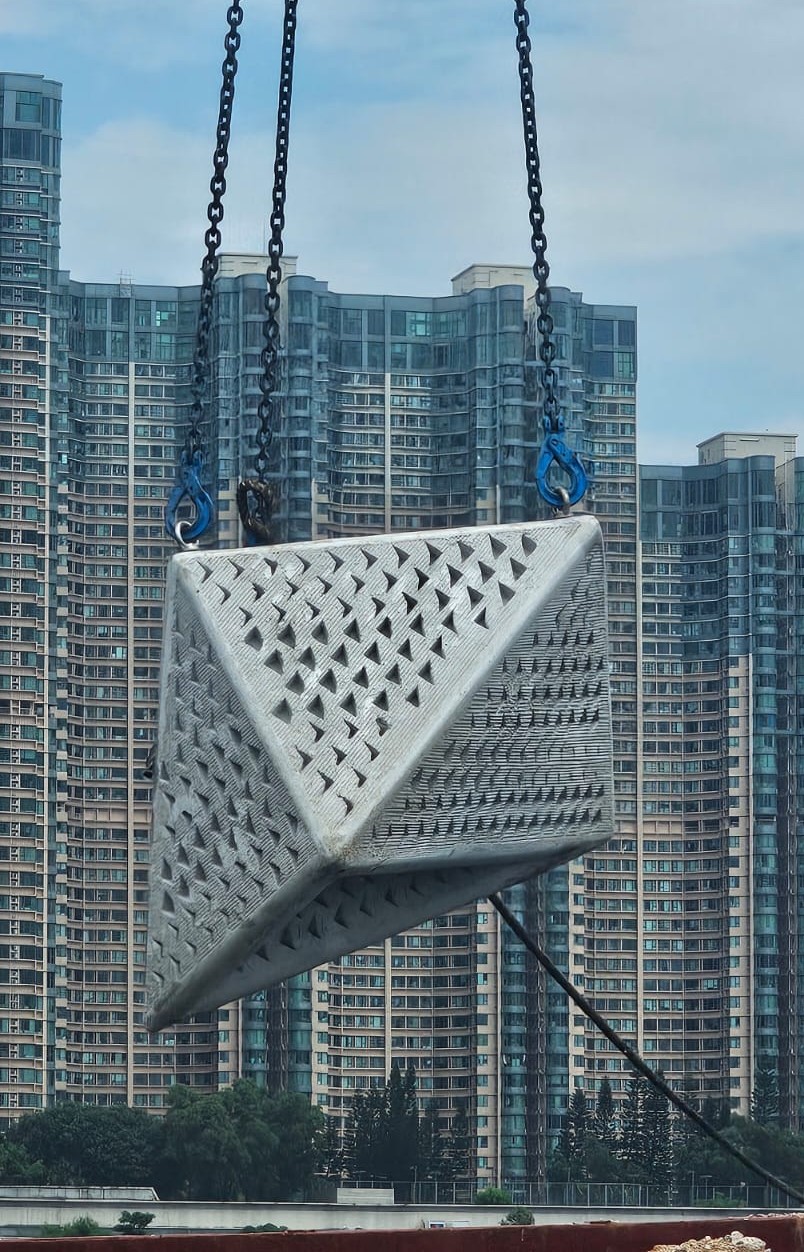
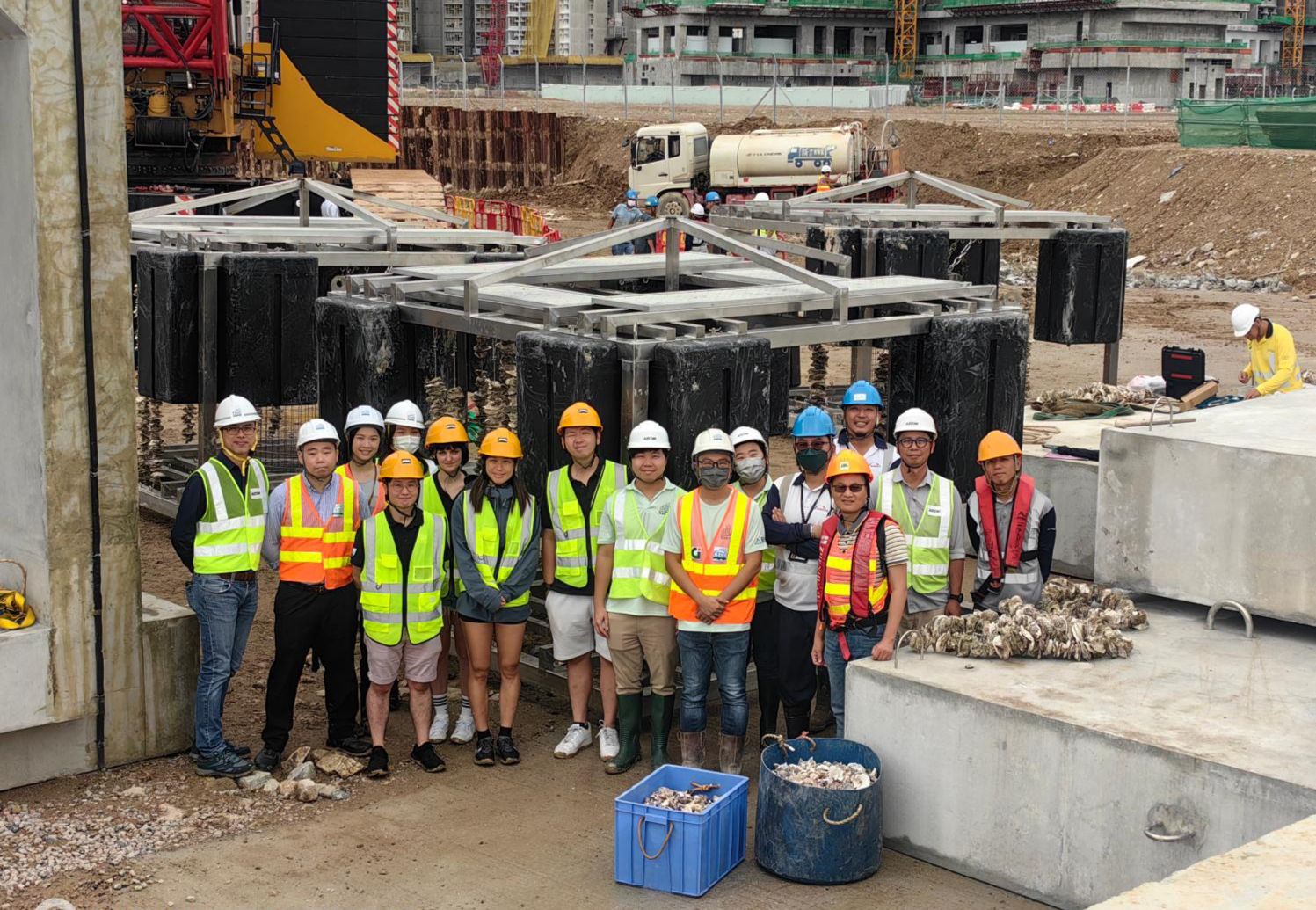
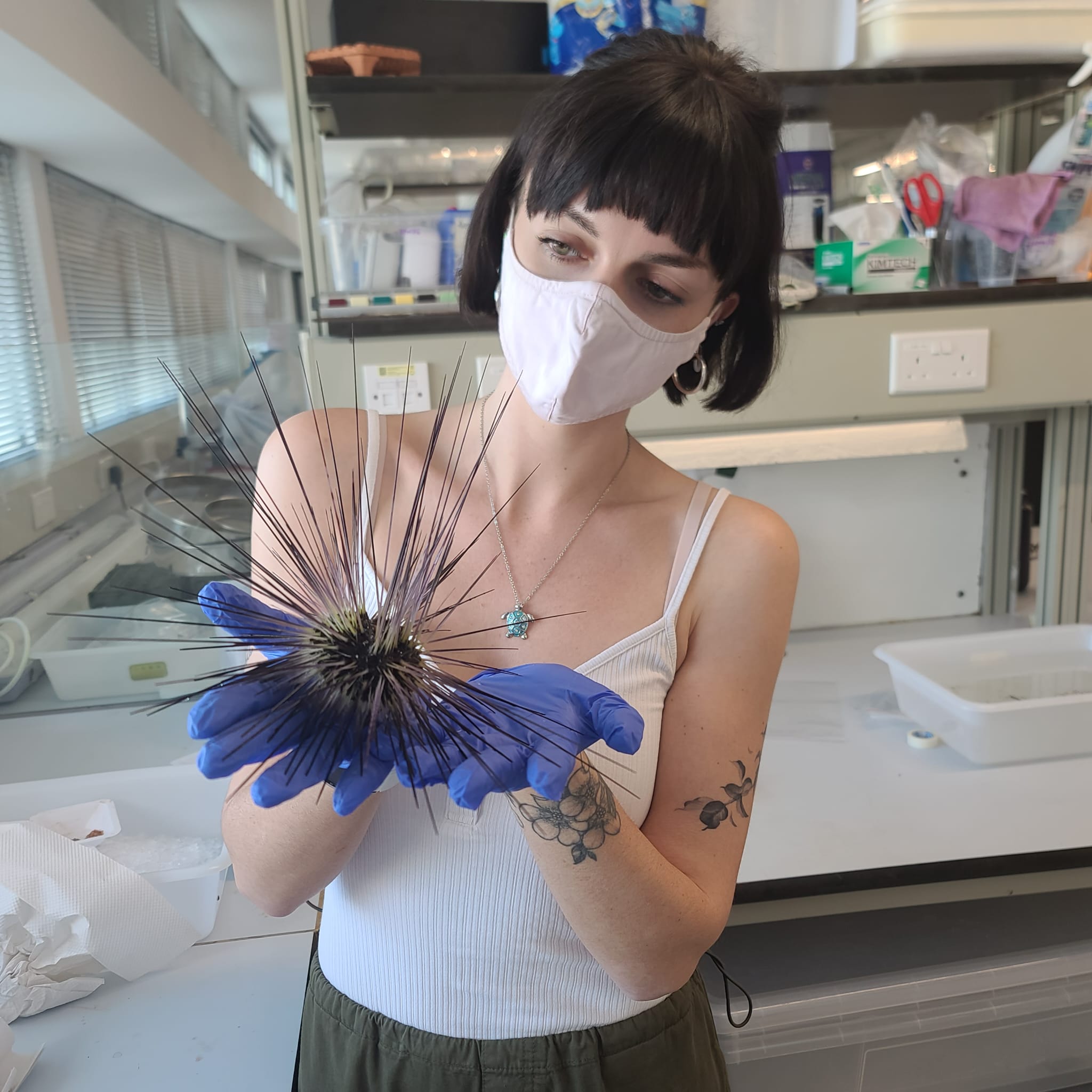
I am originally from the UK and came to Hong Kong in 2016 to pursue my PhD at the Swire Institute of Marine Science (SWIMS) at the University of Hong Kong (HKU). I assessed the physiological and transgenerational impacts of extreme weather (heatwaves) and CO2 on marine invertebrates (echinoderms & gastropods), and how projected future climate scenarios may impact their roles as ecosystem engineers. After this, I stayed at HKU for a postdoctoral position and worked on oyster reef restoration and large-scale biodiversity assessments of oyster and soft shore habitats in the region. I then joined the State Key Laboratory of Marine Environmental Health (SKLMEH) at City University of Hong Kong as a Research Associate in 2022, where I led the Eco-shoreline lab. Here, we worked with the government, consultancies, and construction firms to design and install enhanced features on our shorelines, enhancing the ecosystem services that the coastal areas provide. Hong Kong’s extensive artificial shorelines and ongoing coastal development highlight both the pressures facing marine ecosystems and the opportunities to rethink how we design and manage coastal infrastructure. I am currently working on projects focusing on the implementation of nature-based solutions into new coastal development initiatives in Hong Kong, with a specific focus on biodiversity enhancement.
What inspired you to specialize in this line of research?
My interest in marine and coastal science was shaped by growing up in the UK and spending significant time around the coast, where I became aware of how closely human well-being is tied to healthy marine environments. This interest deepened when I moved to Hong Kong, a dense and rapidly developing ocean city where coastlines play a critical role in supporting biodiversity, protecting infrastructure, and providing ecosystem services to society. Living and working here has highlighted how coastal ecosystems are not only ecological assets but also central to urban resilience, infrastructure planning, and emerging careers related to sustainability.
This perspective shaped my research focus on nature-based solutions and ecosystem restoration, intending to generate knowledge that can be directly translated into practice. As a Lecturer in the Division of Environment and Sustainability (ENVR), this background will strongly inform my approach to education. I am particularly motivated to help students understand how environmental science connects to real-world decision-making, policy, and industry applications. I sought to join ENVR at HKUST as the Division’s interdisciplinary focus aligns closely with my work at the science–practice interface. I hope to contribute to and develop courses in coastal sustainability, nature-based solutions, and biodiversity, equipping students with both conceptual understanding and practical insight into these rapidly growing sectors.
What impact do you want your work to have on society?
My work aims to contribute to both environmental sustainability and student development, recognizing that long-term societal impact depends on the people trained to address future challenges. From an environmental perspective, I hope my research and applied projects support more sustainable coastal development and management. As a Lecturer in ENVR, my primary goal is to prepare students for careers in environmental, sustainability, and coastal-related sectors, including consultancy, government, infrastructure development, and non-governmental organizations. By drawing on real-world projects and industry engagement, I hope to expose students to the practical realities of these fields and help them develop relevant, transferable skills. I am also deeply passionate about science outreach and public engagement. I believe translating complex environmental research into accessible stories and engaging media discussions is essential for driving meaningful action.
Through ENVR, I wish to strengthen links between education, research, and external partners, and to expand opportunities for students to engage with applied environmental challenges. Ultimately, I hope my work contributes both to healthier marine ecosystems and to supporting the next generation of environmental professionals who can contribute meaningfully to sustainable development in Hong Kong and beyond.
Do you have any advice for students interested in your research area?
Students interested in marine, coastal, and sustainability-related fields should focus on building a strong interdisciplinary foundation that combines environmental science with practical skills and real-world experience. Coastal and marine challenges rarely sit within a single discipline, so gaining exposure to ecology, environmental management, data analysis, policy, and communication can be extremely valuable.
I would also encourage students to seek opportunities outside the classroom, such as fieldwork, internships, site visits, or collaborations with industry and community partners. These experiences help develop problem-solving skills and provide insight into the wide range of career pathways available in environmental sectors. Finally, staying curious and open-minded is key. Careers in marine and sustainability fields are diverse and evolving, particularly in ocean cities like Hong Kong, where science, development, and innovation intersect. Students who are adaptable and proactive will be well-positioned to contribute meaningfully to these growing sectors.
Could you share a fun fact about you?
Outside of work, I like to spend time focusing on personal wellness. I love freediving, rollerskating, dancing to all kinds of music, spinning flowstars, sound healing, or anything that helps me shift inward and recharge. I’ve found that the more I take care of myself internally, the better I can be there for others!