More about HKUST


Achievements
Community
Corporate Projects
Exchange
Field Trips & Visits
Internship & Career
Undergraduate
Office
Research
Seminars & forums
Student Activities
T&M-DDP
Postgraduate
EVMT
Innovation
Entrepreneurship
Sustainability
Engineering
Environment
Air Quality
GBA
PublicPolicy
ENVR
PPOL
Teaching&Learning
Technology
Research and Technology
Greater Bay Area
IIM
Fintech
Alumni
AMC
Art Management
Artificial Intelligence
Arts
ArtTech
Cultural Studies
DesignTech
Emerging Interdisciplinary Areas
EMIA
Extended Majors
Faculty
HealthTech
IDT
ISD
Machine Creativity
MarineTech
MPM
MPP
SustainableTech
TIE
TLE
Field Trips & Visits
EVMT Students Explore Desertification Control in Inner Mongolia's Kubuqi Desert
28/10/2026
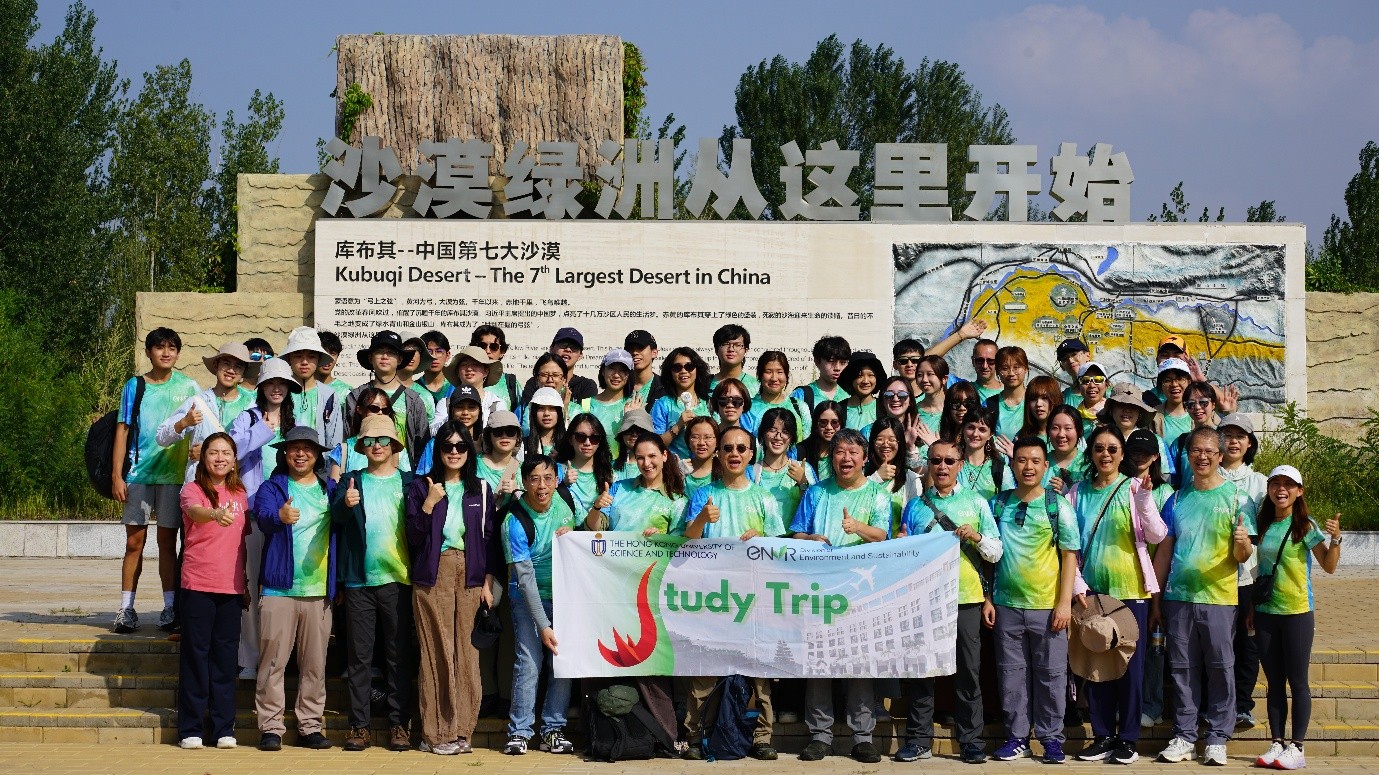
This summer, 60 students from the BSc in Environmental Management and Technology (EVMT) program and faculty members in the Division of Environment and Sustainability embarked on an immersive study trip to the Kubuqi Desert in Inner Mongolia.
From exploring cutting-edge desertification control models to experiencing hands-on restoration and local cultural traditions, the journey brought environmental management and technology to life, offering valuable insights into how science, sustainable development, and community engagement can work together to address environmental challenges.
Sustainable Innovation
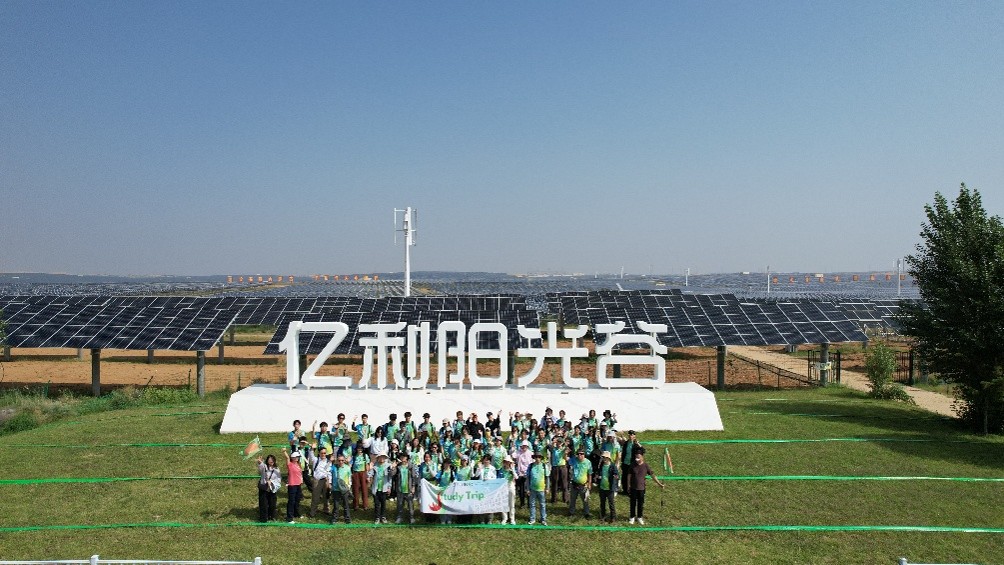
At Elion Sunshine Valley, students explored an innovative agricultural model that integrates solar power generation with agricultural and husbandry farming beneath solar panels. The group also visited the Germplasm Center and Biodiversity Pavilion, observing more than 1,000 types of sand and drought-resistant plant germplasm resources. These visits offered a glimpse into how renewable energy, agricultural innovation, and biodiversity conservation can support sustainable development and turn an arid environment into economic and social viable co-existing system.
Exploring the Desert’s Ecological Wonders
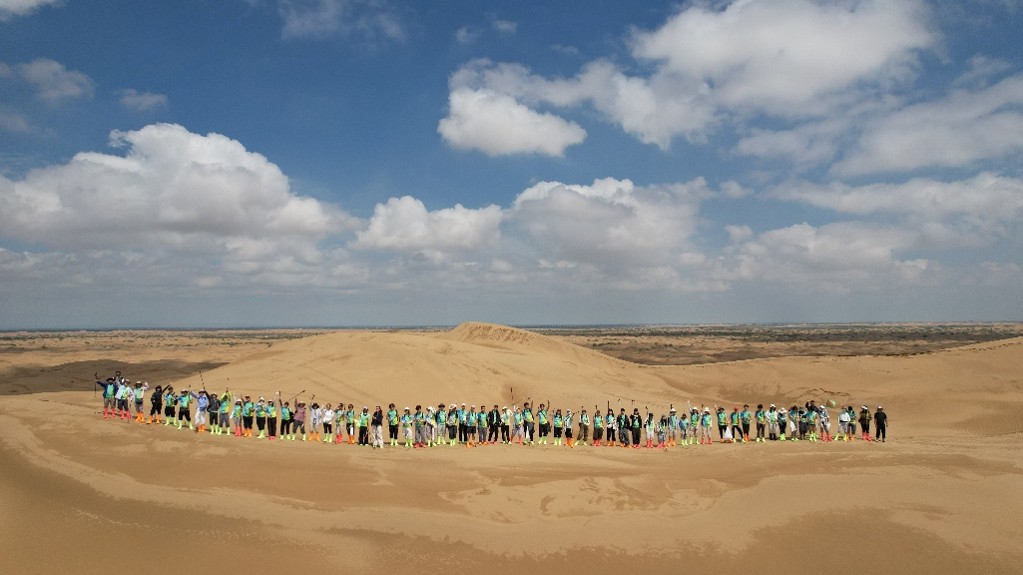
The students embarked on a trek across rolling sand dunes, experiencing the desert’s distinctive terrain while learning about its landforms, flora and fauna. Their journey also took them to Wuliangsuhai wetland, where they explored the wetland environment, and the Great Bend of the Yellow River, where they learned about the ecological water conservancy project that diverts ice floods into agricultural irrigation, and the post water treatment in the wetland before rejoining the Yellow River. These experiences highlighted the importance of ecosystem services and complex relationships between water management, ecosystem conservation, and desertification control.
Hands-on Ecological Restoration
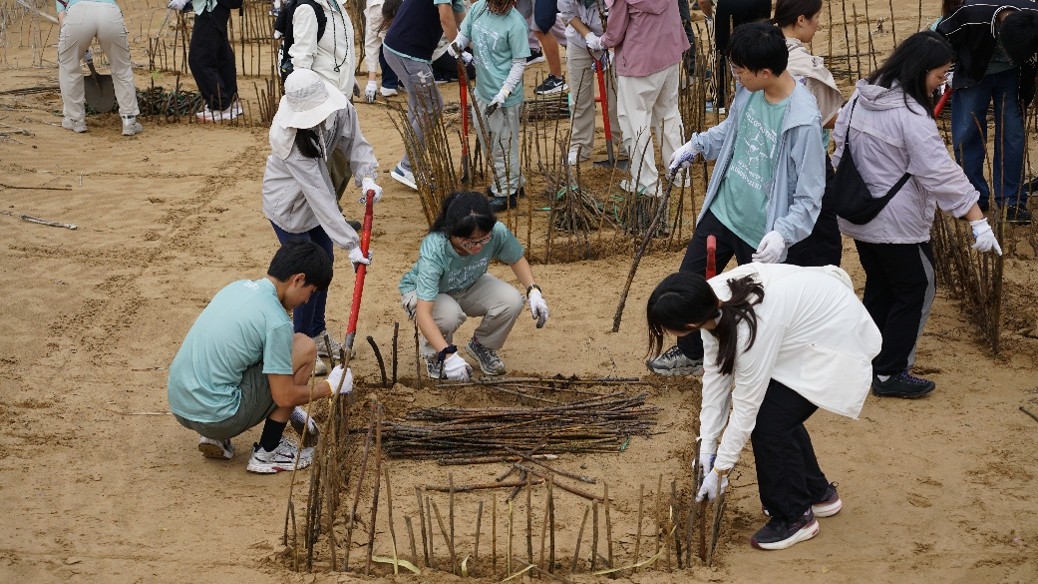
Students took part in planting Mongolian pines and constructing straw checkerboard barriers—a distinctive technique used in sand control. Through these hands-on activities, they experienced the challenges of desert restoration and witnessed how practical interventions can help stabilizing desert landscapes.
Connecting Environmental Progress with Local Communities
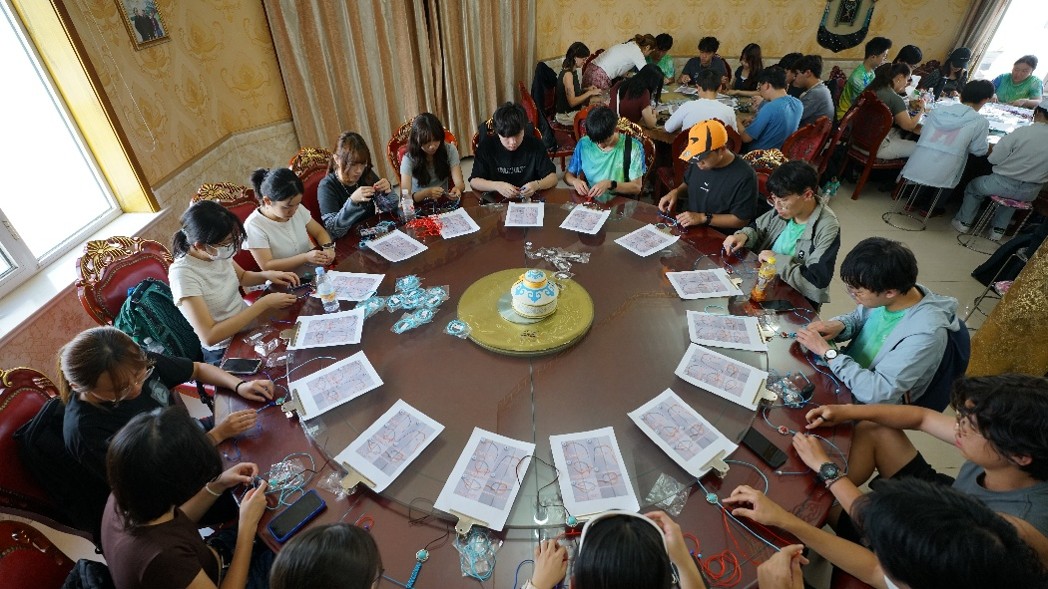
By visiting the Herdsmen's New Village, students explored traditional crafts and gained a closer understanding of local culture and everyday life. The visit also highlighted how effective environmental governance can go beyond restoring ecosystems to improve livelihoods and create new opportunities for local communities.
Through this immersive experience in Inner Mongolia, students gained a deeper understanding of the Kubuqi desertification control model and the role of technologies, innovation, ecological restoration and community participation in building a more resilient and sustainable future.