More about HKUST


Achievements
Community
Corporate Projects
Exchange
Field Trips & Visits
Internship & Career
Undergraduate
Office
Research
Seminars & forums
Student Activities
T&M-DDP
Postgraduate
EVMT
Innovation
Entrepreneurship
Sustainability
Engineering
Environment
Air Quality
GBA
PublicPolicy
ENVR
PPOL
Teaching&Learning
Technology
Research and Technology
Greater Bay Area
IIM
Fintech
Alumni
AMC
Art Management
Artificial Intelligence
Arts
ArtTech
Cultural Studies
DesignTech
Emerging Interdisciplinary Areas
EMIA
Extended Majors
Faculty
HealthTech
IDT
ISD
Machine Creativity
MarineTech
MPM
MPP
SustainableTech
TIE
TLE
Exchange
Student Sharing - University College London Exchange Student Pasu HO Yi-Hang
21/10/2026
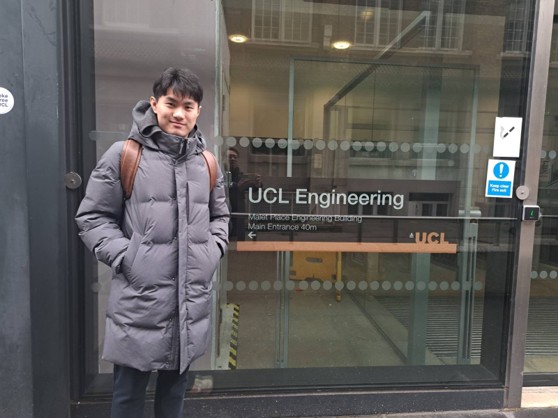
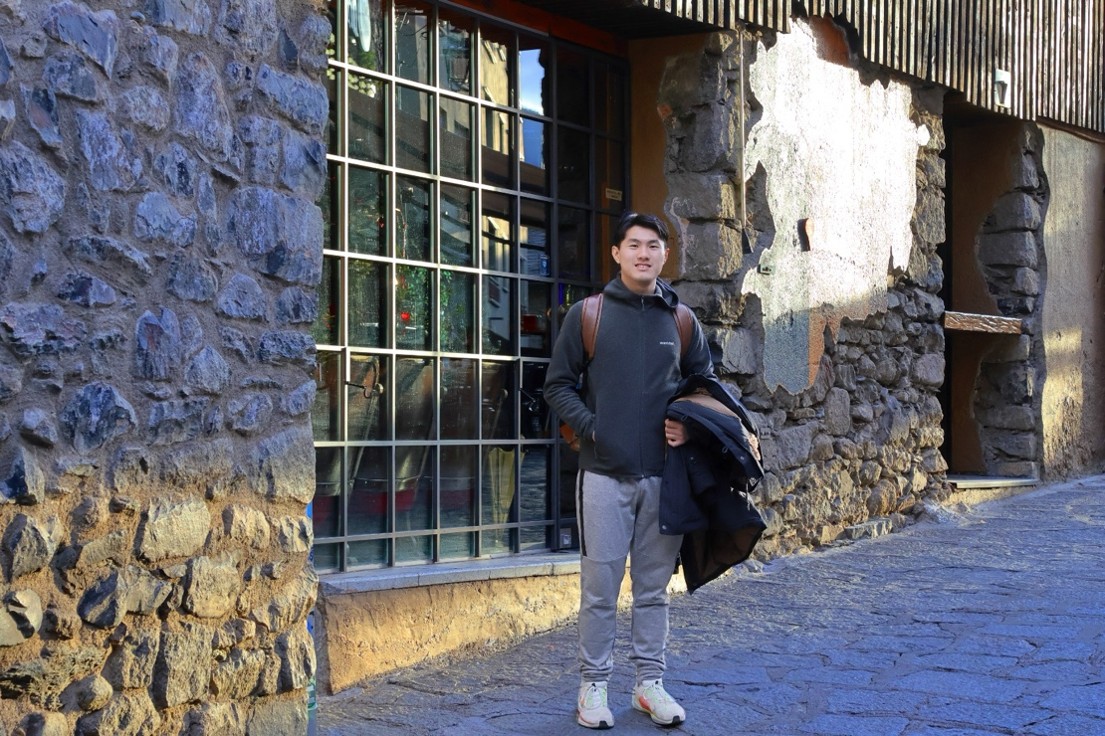
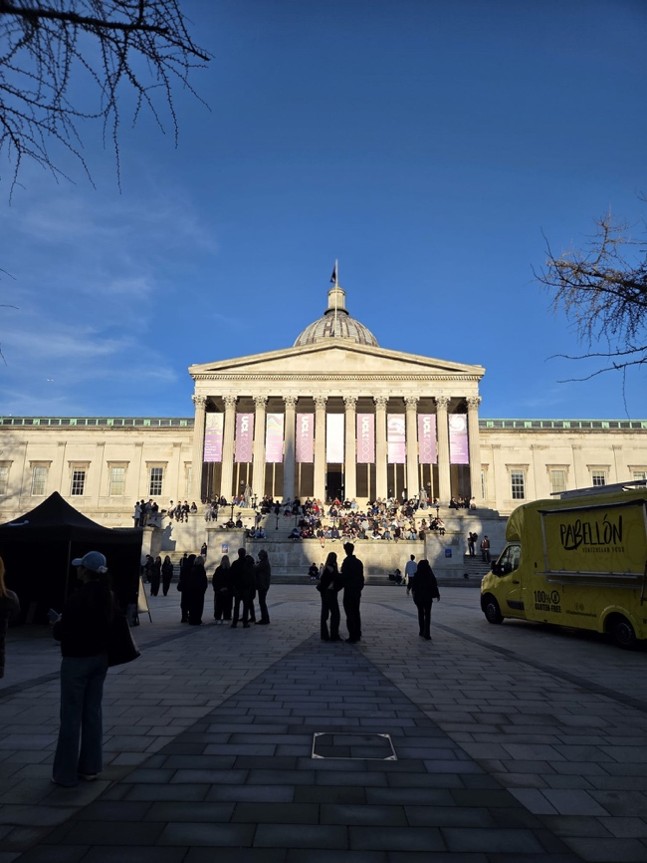
Pasu HO Yi-Hang, a Year 4 student from the Dual Degree Program in Technology & Management (T&M-DDP), embarked on an exchange journey to University College London (UCL), eager to broaden his horizons and experience life beyond Hong Kong.
Drawn to London’s rich cultural heritage and reputation as a gateway to Europe, he embraced the opportunity to immerse himself in a new academic and social environment. From adapting to UCL’s project-based learning approach and exploring specialized subjects, such as seismology, to traveling across Europe and experiencing diverse cultures firsthand, his exchange journey was both intellectually stimulating and personally transformative. Along the way, he developed greater independence, adaptability, and cross-cultural awareness, gaining valuable insights that will shape his future academic and professional aspirations.
Read on to discover Pasu’s exchange journey and the lessons he brought home.
---
What inspired you to join the exchange program? Any particular goals or expectations?
I had always found it difficult to imagine what life outside Hong Kong would be like, so the exchange program was a valuable opportunity to broaden my horizons. Beyond academics, I wanted to experience a different culture and lifestyle, and explore the diverse possibilities my future might hold.
Why did you choose London for your exchange?
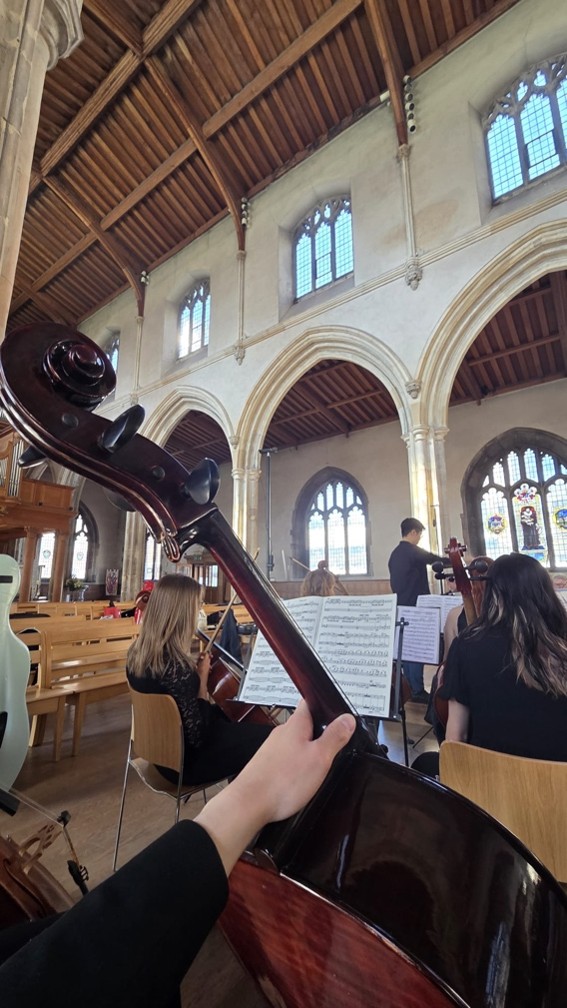
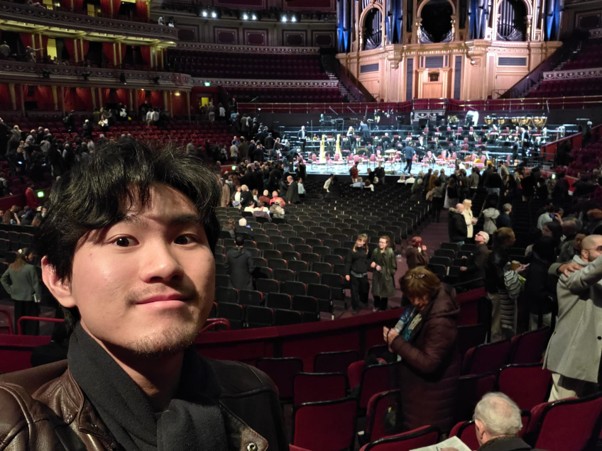
London was one of my preferred exchange destinations, and I was thrilled when I was selected to study there. As one of the World’s most connected city, it is an excellent base for traveling around Europe. At the same time, the United Kingdom’s rich and diverse cultural heritage was something I was eager to explore, particularly because of my interest in classical music.
What were you most looking forward to before departure?
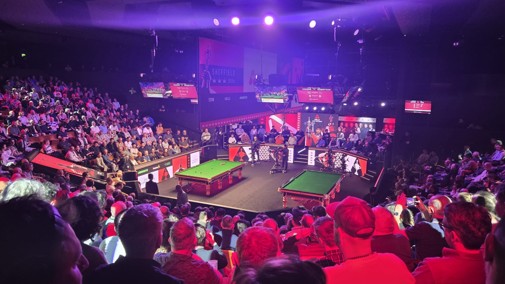
Personal growth was one of the main objectives of my exchange. I looked forward to meeting new people on campus, adapting to a different living environment, and learning how to live independently. Outside of my studies, I was also excited to try local food, visit museums, attend concerts, watch snooker championships, and more.
What was the most memorable experience during your exchange?
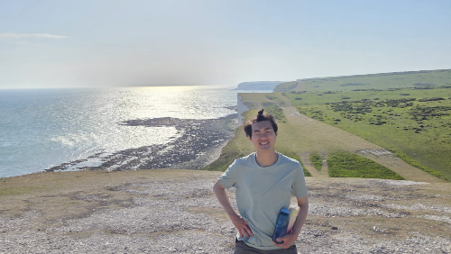
My trip to Central Europe after the end of the semester was one of the most memorable parts of my exchange. It was not only a relaxing break after exams, but also a unique cultural experience because the region felt both familiar and different from Hong Kong.
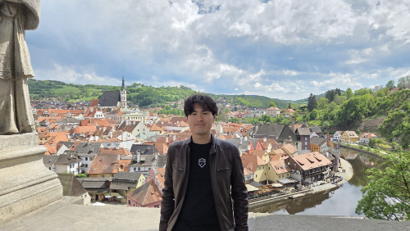
I visited historic sites in Poland, admired the beautiful scenery in the Czech Republic, experienced Austria’s architectural heritage, and enjoyed traditional Hungarian cuisine. These were all valuable experiences that I could not have had in Hong Kong, and they deepened my appreciation for the diversity of European culture.
Was there anything that surprised you about living or studying there?
One thing that surprised me was the culture of greetings, which seemed less common in Hong Kong but more prevalent across Europe. Regardless of whether they knew each other, people often greeted one another politely in everyday situations.
At first, I was surprised by this social norm. However, after reflecting on it, I began to see it as a simple but meaningful way of showing respect. It made me wonder whether this is a practice that could be encouraged more widely elsewhere as well.
How was the learning experience different from HKUST?
The format and style of assessment were one of the most significant differences between UCL and HKUST. At UCL, many courses were project-based, with fewer traditional examinations and a greater emphasis on substantial assignments and projects.
Many of these projects involved group work, requiring us to conduct research beyond the lecture materials. This helped us develop a better understanding of how knowledge is applied in real-world industry settings. I found it quite challenging to adapt to this assessment style at the beginning of the semester, but I gradually became more comfortable and confident as the semester progressed.
What was the most interesting?
Two of my courses at UCL focused on seismology. This was a particularly interesting subject because earthquakes are relatively uncommon in Hong Kong due to its geological setting and low level of seismic activity.
The courses introduced me to specialized knowledge and niche areas of study that I had not previously encountered. Learning from experts in the field and exploring a subject outside my usual academic experience made it a unique and valuable part of my exchange.
What was the biggest challenge you encountered, and how did you overcome it?
One of the biggest challenges I faced happened on the first evening of the semester. I accidentally cut my finger deeply while cooking. It was a very frightening and stressful experience, especially since I was living abroad and had to handle the situation independently.
Fortunately, I was able to access local medical services and reach the emergency department late at night with the help from others. I received the appropriate treatment and recovered well. It was an unexpected incident, but it taught me a good lesson about taking extra care and stay calm under pressure.
How has this experience influenced your future academic or career plans?
This experience was an eye-opener and valuable preparation for adapting quickly to new environments in my future academic and professional development. Studying at UCL exposed me to specialized subjects and a more project-based approach to learning. It also helped me recognize the importance of applying academic knowledge to real-world situations and working effectively with people from different backgrounds.
As I am still exploring my career interests, I hope to gain more international exposure and develop a broader perspective. I believe the knowledge, adaptability, and interpersonal skills I gained through the exchange will help me make more informed decisions about my future academic and career direction.