More about HKUST


Achievements
Community
Corporate Projects
Exchange
Field Trips & Visits
Internship & Career
Undergraduate
Office
Research
Seminars & forums
Student Activities
T&M-DDP
Postgraduate
EVMT
Innovation
Entrepreneurship
Sustainability
Engineering
Environment
Air Quality
GBA
PublicPolicy
ENVR
PPOL
Teaching&Learning
Technology
Research and Technology
Greater Bay Area
IIM
Fintech
Alumni
AMC
Art Management
Artificial Intelligence
Arts
ArtTech
Cultural Studies
DesignTech
Emerging Interdisciplinary Areas
EMIA
Extended Majors
Faculty
HealthTech
IDT
ISD
Machine Creativity
MarineTech
MPM
MPP
SustainableTech
TIE
TLE
Teaching and Learning
AMC Takes Student Artworks to Austria for Ars Electronica Campus Exhibition 2026
30/09/2026
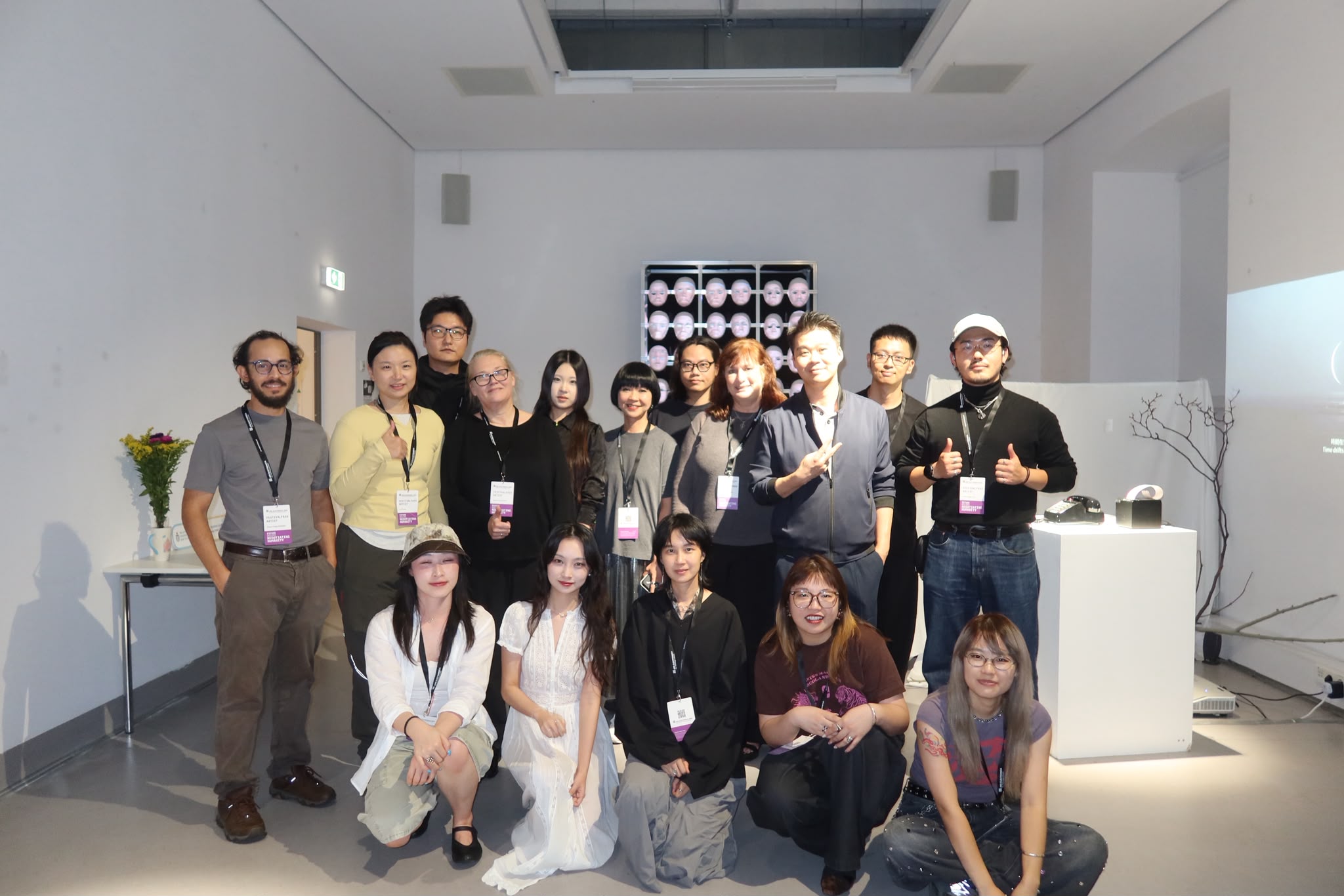
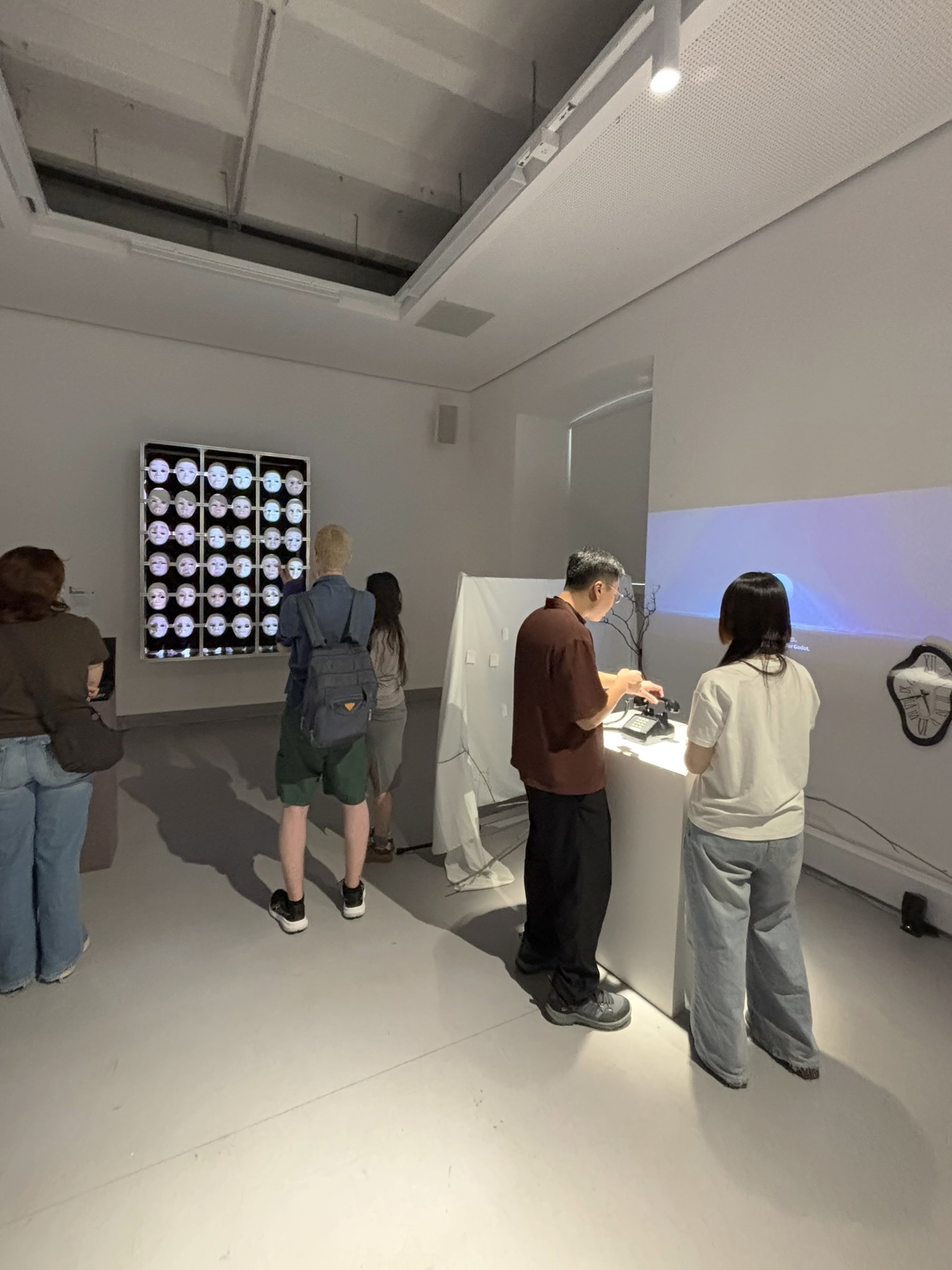
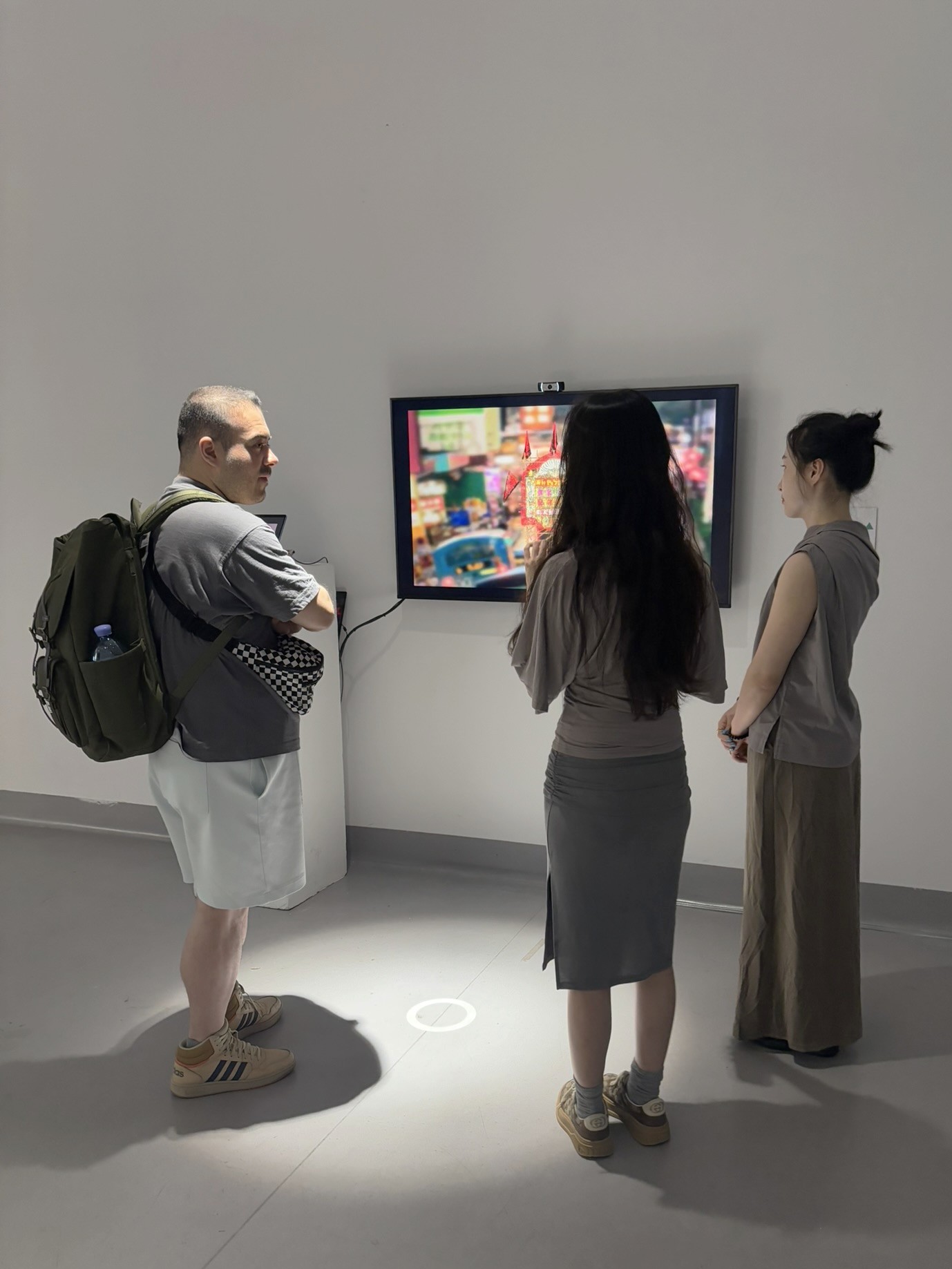
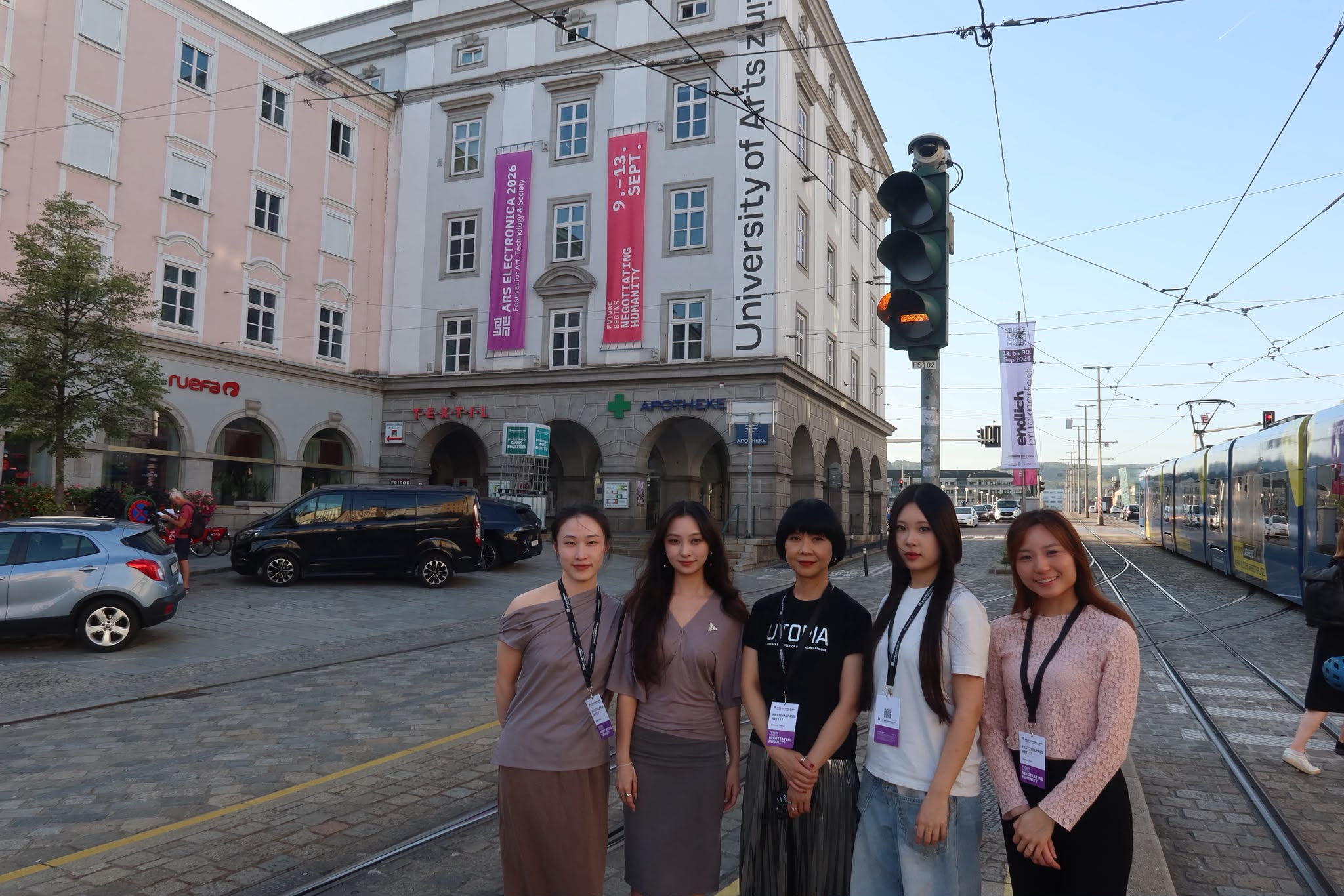
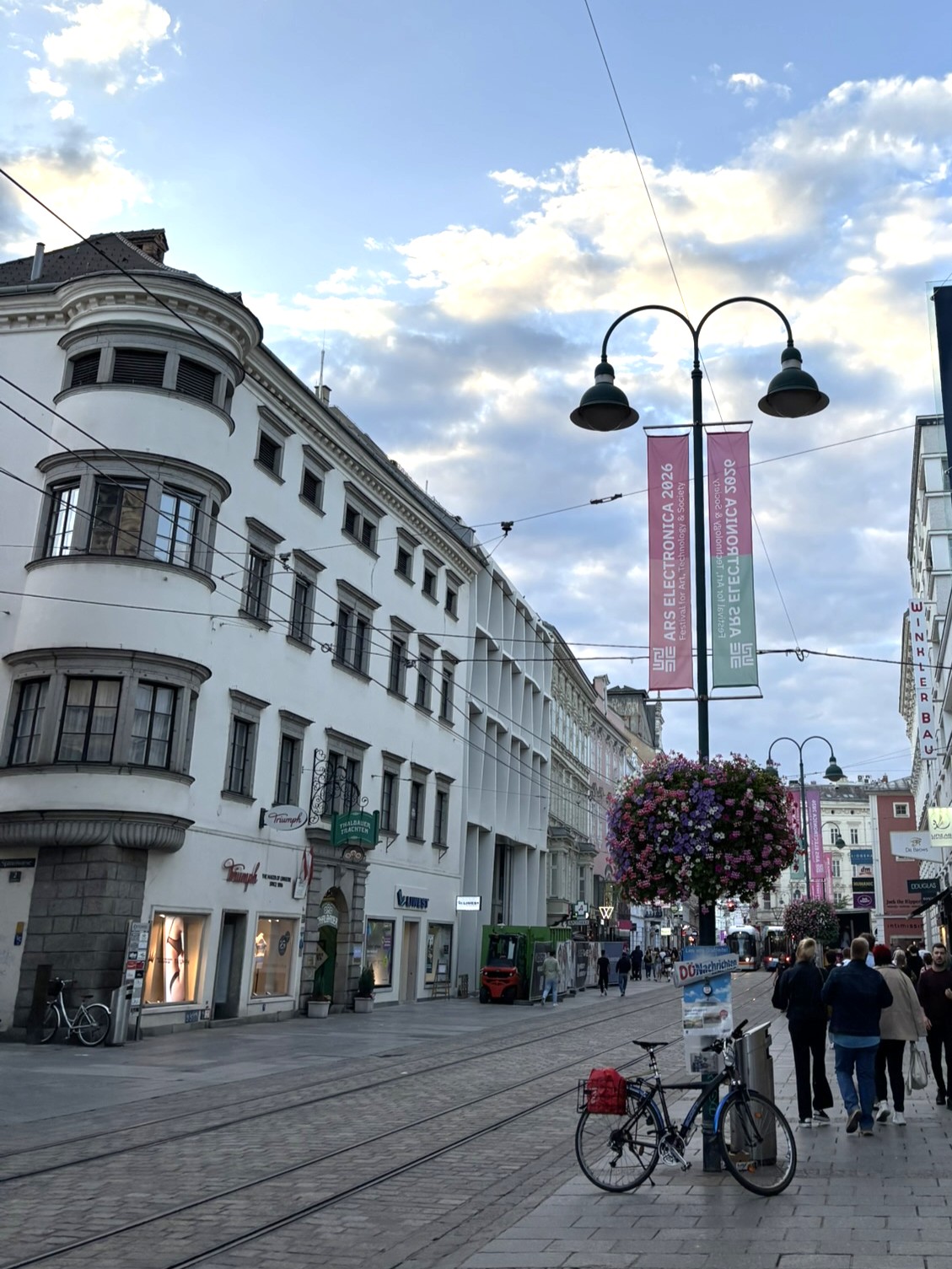
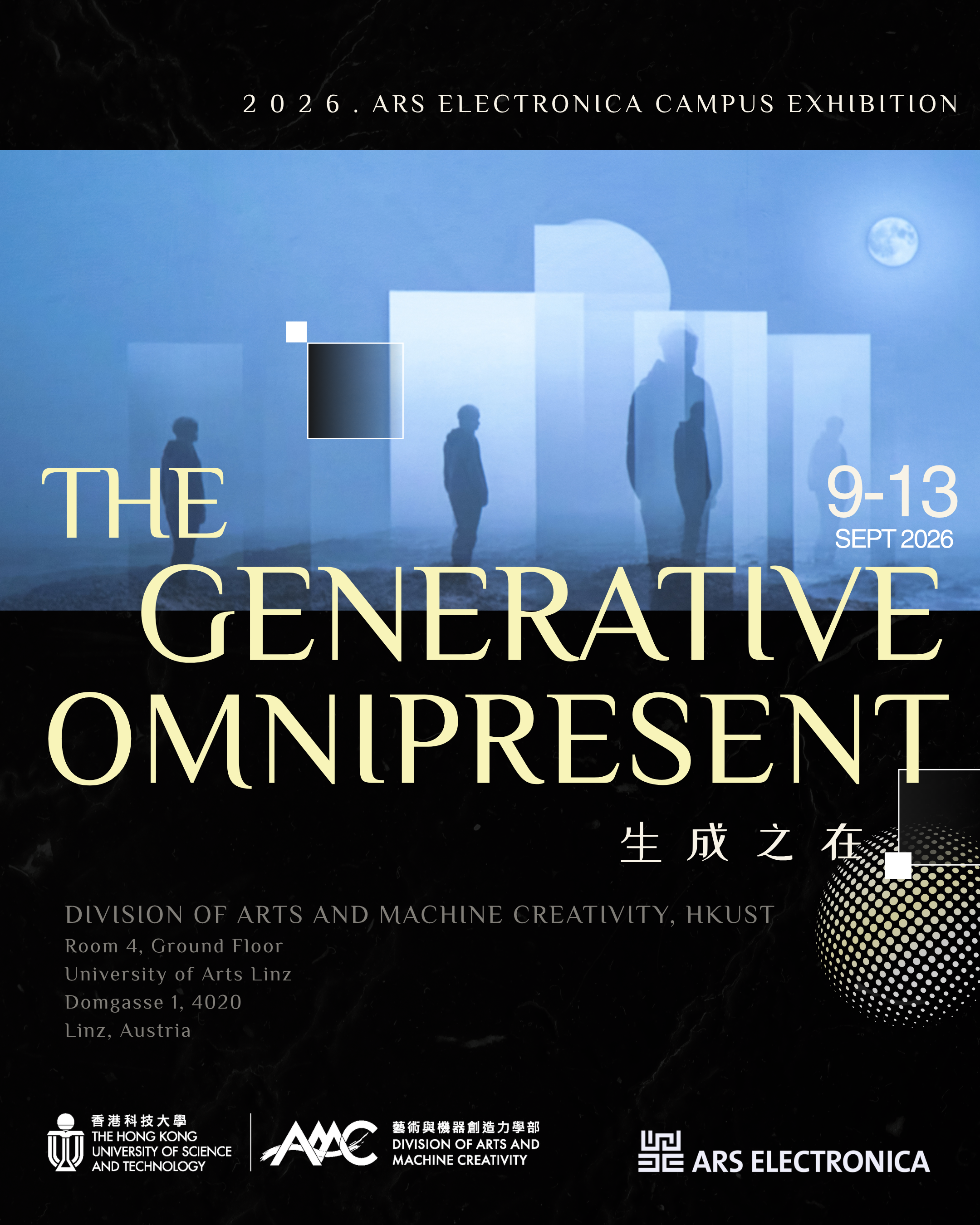
The Division of Arts and Machine Creativity (AMC) recently presented its first-ever overseas exhibition, “The Generative Omnipresent,” at the Ars Electronica Campus Exhibition 2026 in Linz, Austria, underscoring AMC's growing international presence at the forefront of art and machine intelligence.
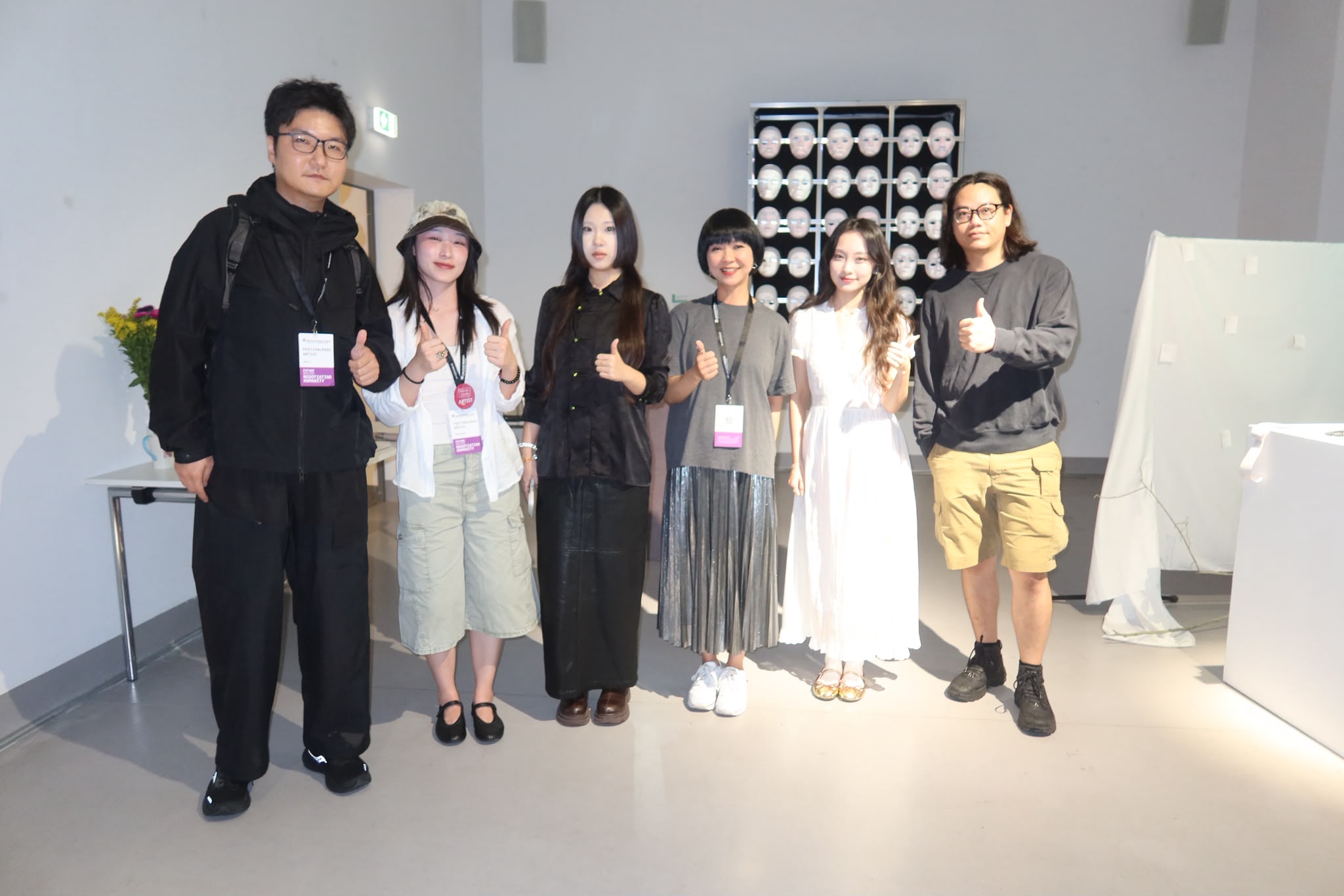
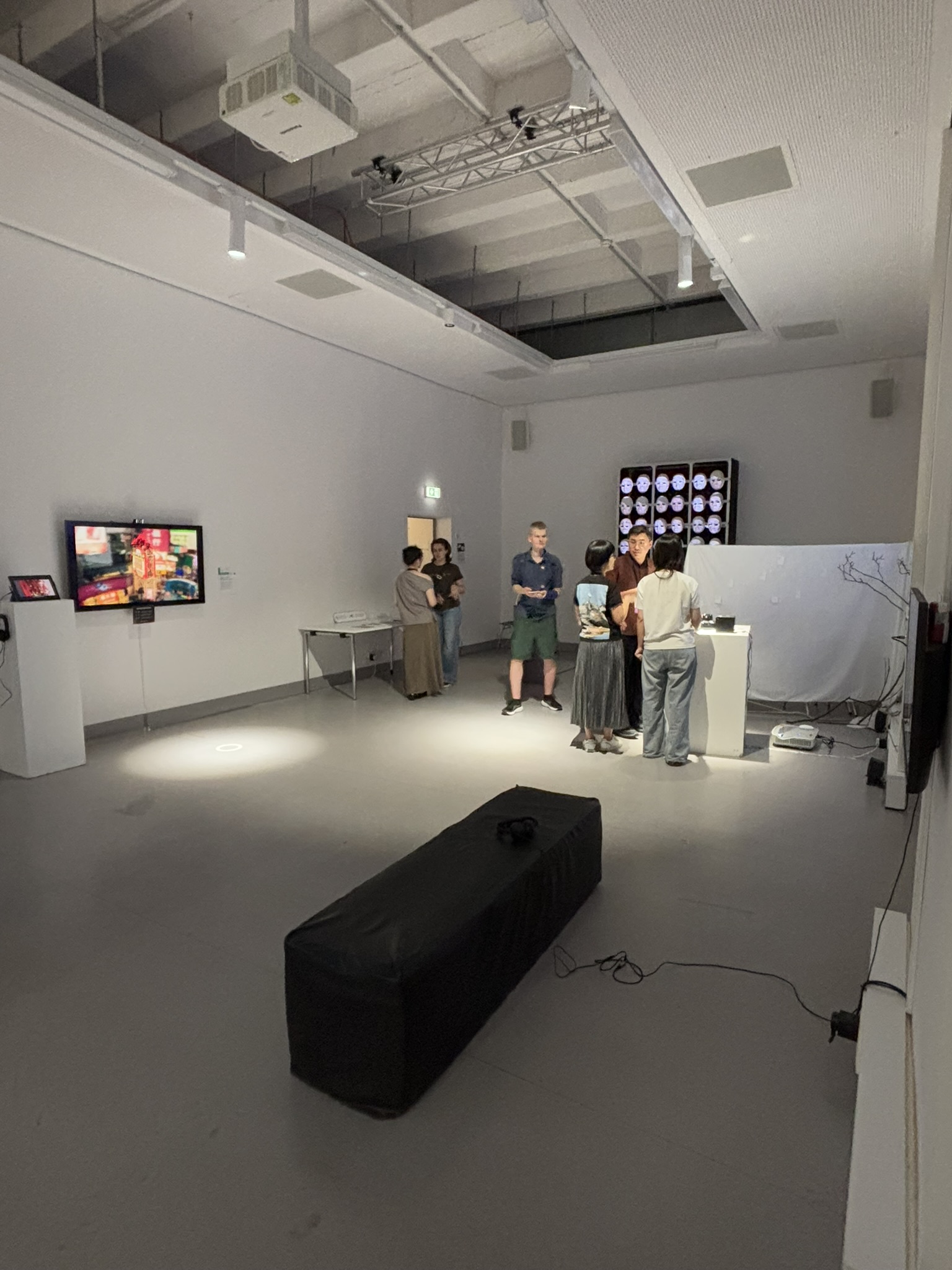
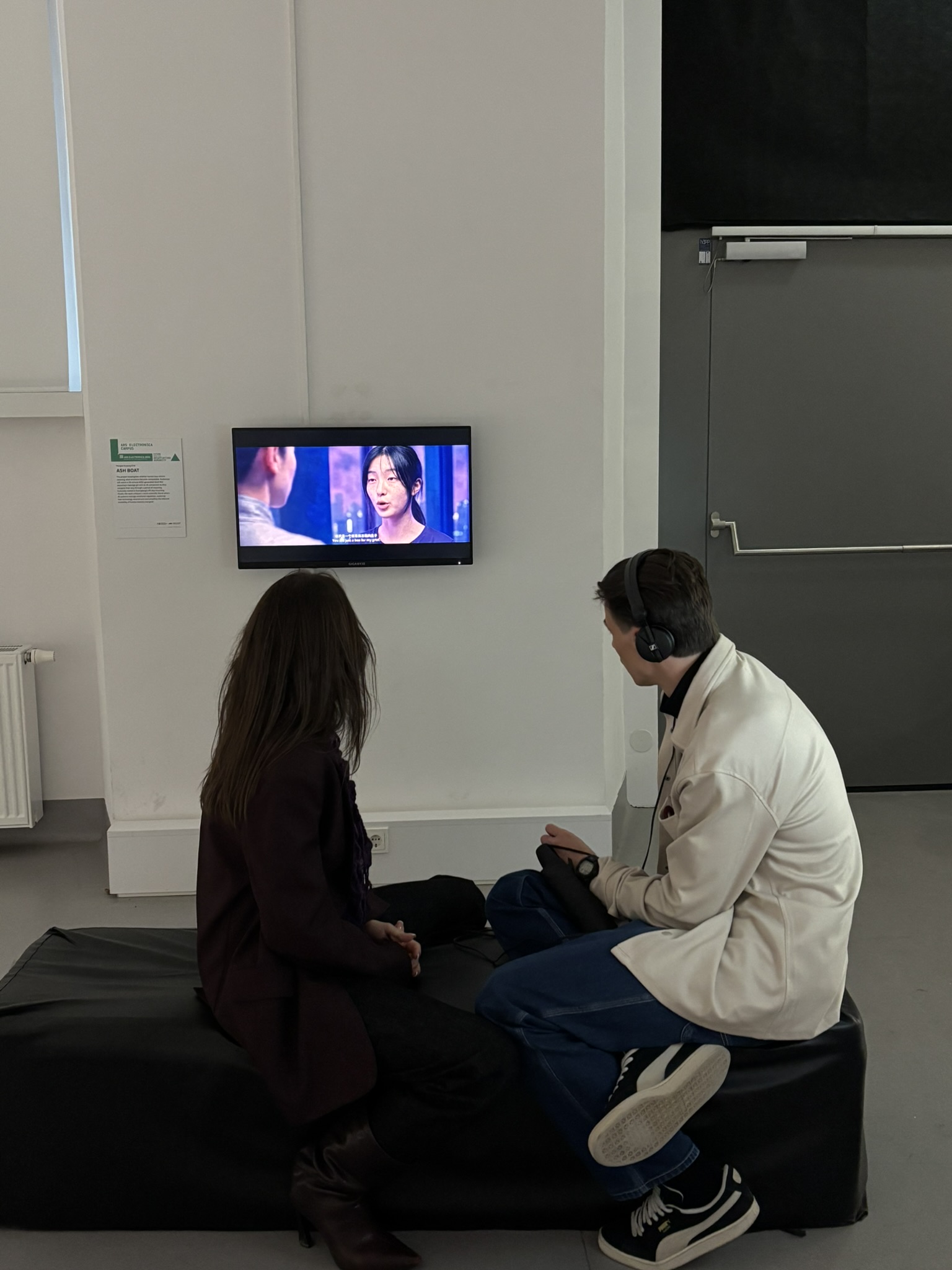
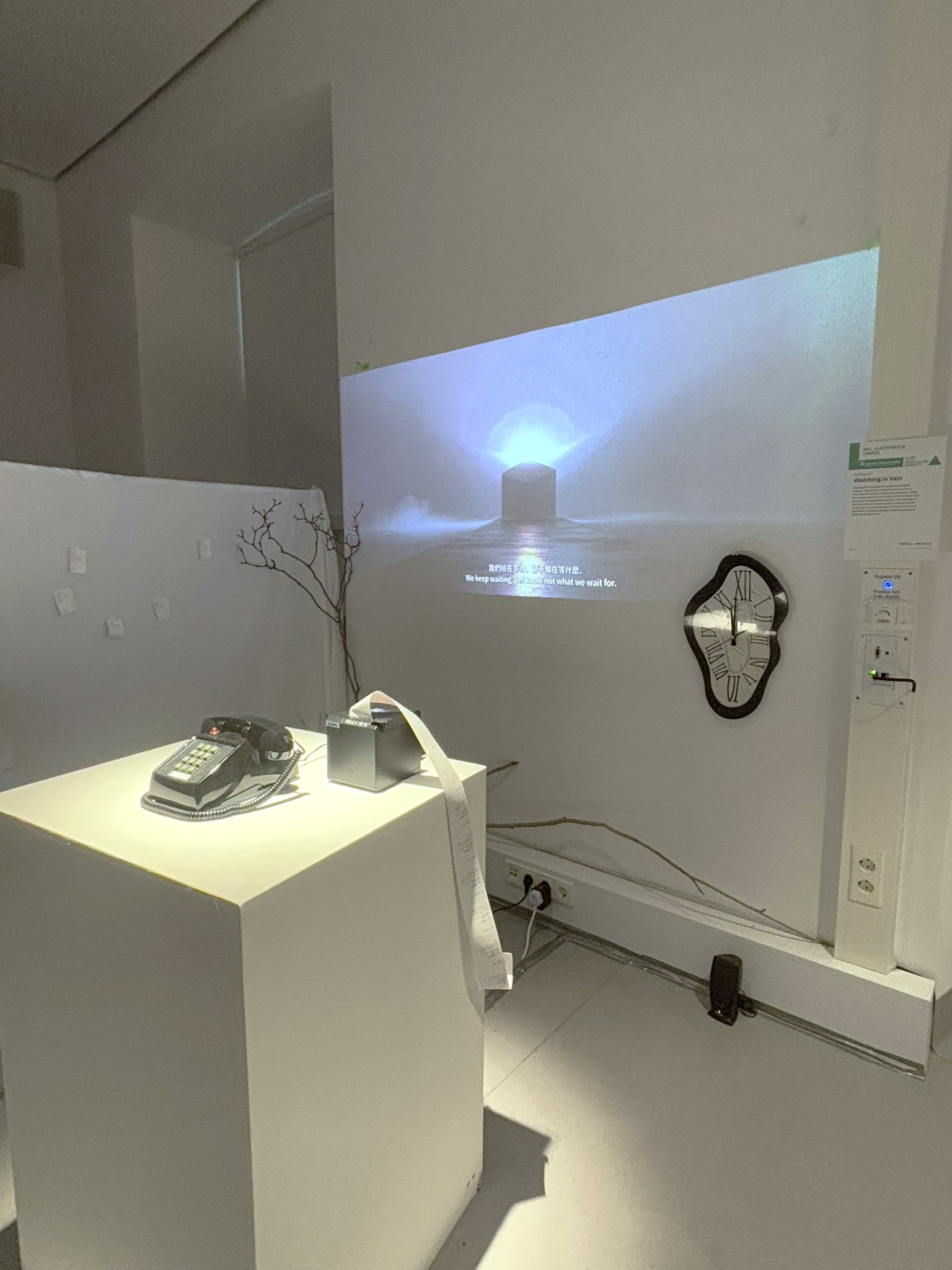
Held from September 9 to 13 at the University of Arts Linz, the exhibition featured five selected student artworks created by the inaugural cohort of AMC students under the guidance of Dr. Vennes CHENG, Lecturer of AMC and Director of AMC’s Student Interest Group.
“The Generative Omnipresent” re-examines the concept of “generative” from its confinement to machine intelligence, placing it within a deeper history spanning biological reproduction and mathematical logic. By tracing the lineage from cellular automata and morphogenesis to Chomskyan linguistics and early computational aesthetics, the exhibition explores how generativity has evolved from a rule-based engine of human thought into an omnipresent, data-driven force.
Exemplifying an interdisciplinary methodology, AMC students bridged computational science, machine learning, interactive media, and the critical humanities in their works. Through artificial intelligence, technological mapping, and human-computer interaction, the showcased projects explored the increasingly blurred boundaries between human intention and algorithmic processes. In an era transitioning from a society of “authors” to one of “prompters”, the exhibition moves beyond the perceived tension between humanity and technology to examine the fundamental cohabitation with non-human systems.
The exhibition provided AMC students with a valuable opportunity to present their creative works on an international stage and engage with artists, researchers, and visitors from around the world. Their participation highlighted the creativity, interdisciplinary vision, and innovative spirit of the next generation of artists working at the intersection of art and technology.