More about HKUST


Achievements
Community
Corporate Projects
Exchange
Field Trips & Visits
Internship & Career
Undergraduate
Office
Research
Seminars & forums
Student Activities
T&M-DDP
Postgraduate
EVMT
Innovation
Entrepreneurship
Sustainability
Engineering
Environment
Air Quality
GBA
PublicPolicy
ENVR
PPOL
Teaching&Learning
Technology
Research and Technology
Greater Bay Area
IIM
Fintech
Alumni
AMC
Art Management
Artificial Intelligence
Arts
ArtTech
Cultural Studies
DesignTech
Emerging Interdisciplinary Areas
EMIA
Extended Majors
Faculty
HealthTech
IDT
ISD
Machine Creativity
MarineTech
MPM
MPP
SustainableTech
TIE
TLE
Research and Innovation
ISD MPhil Student Marks a Triple Triumph at IEEE/CVF WACV 2026
23/03/2026
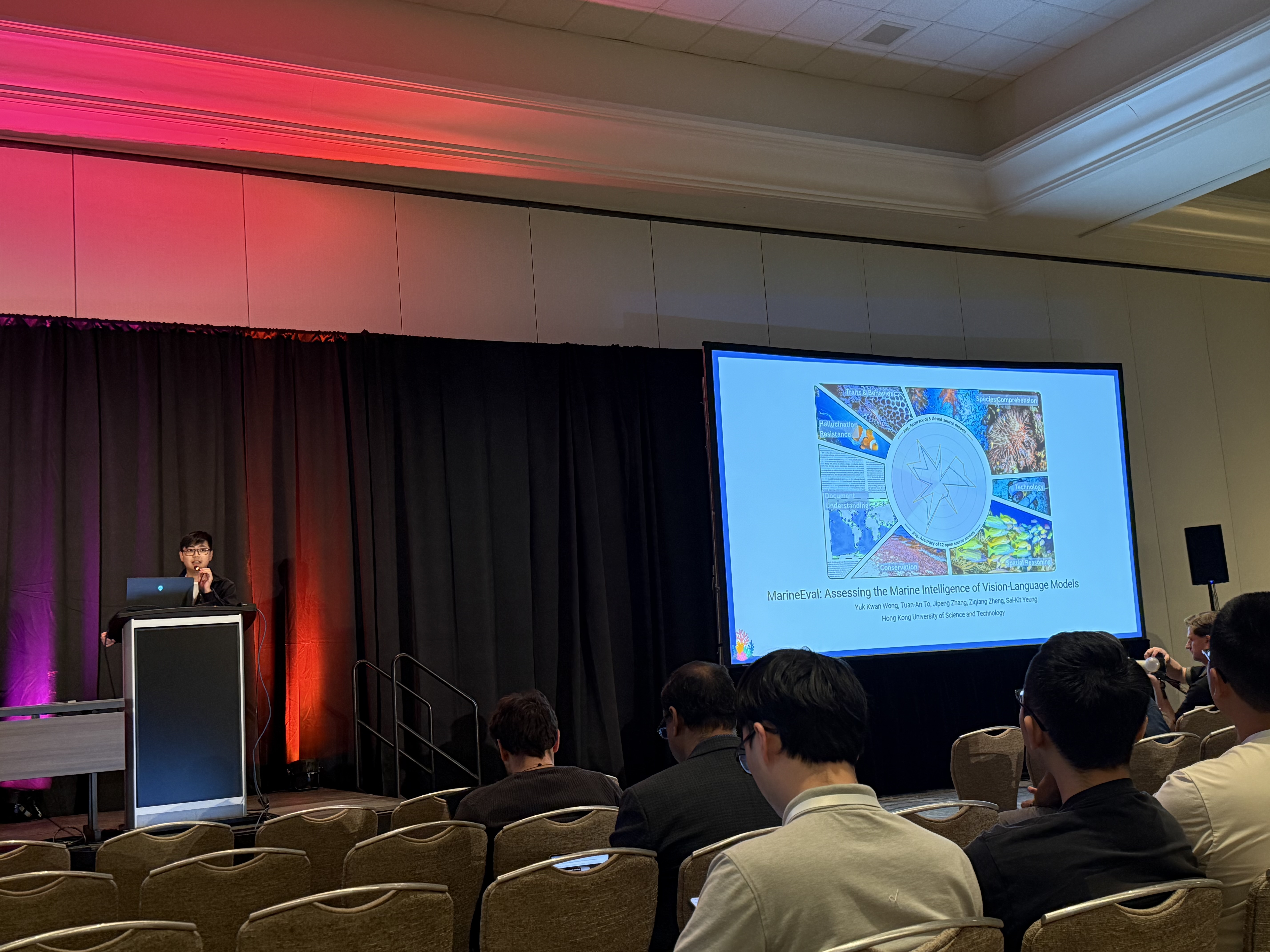
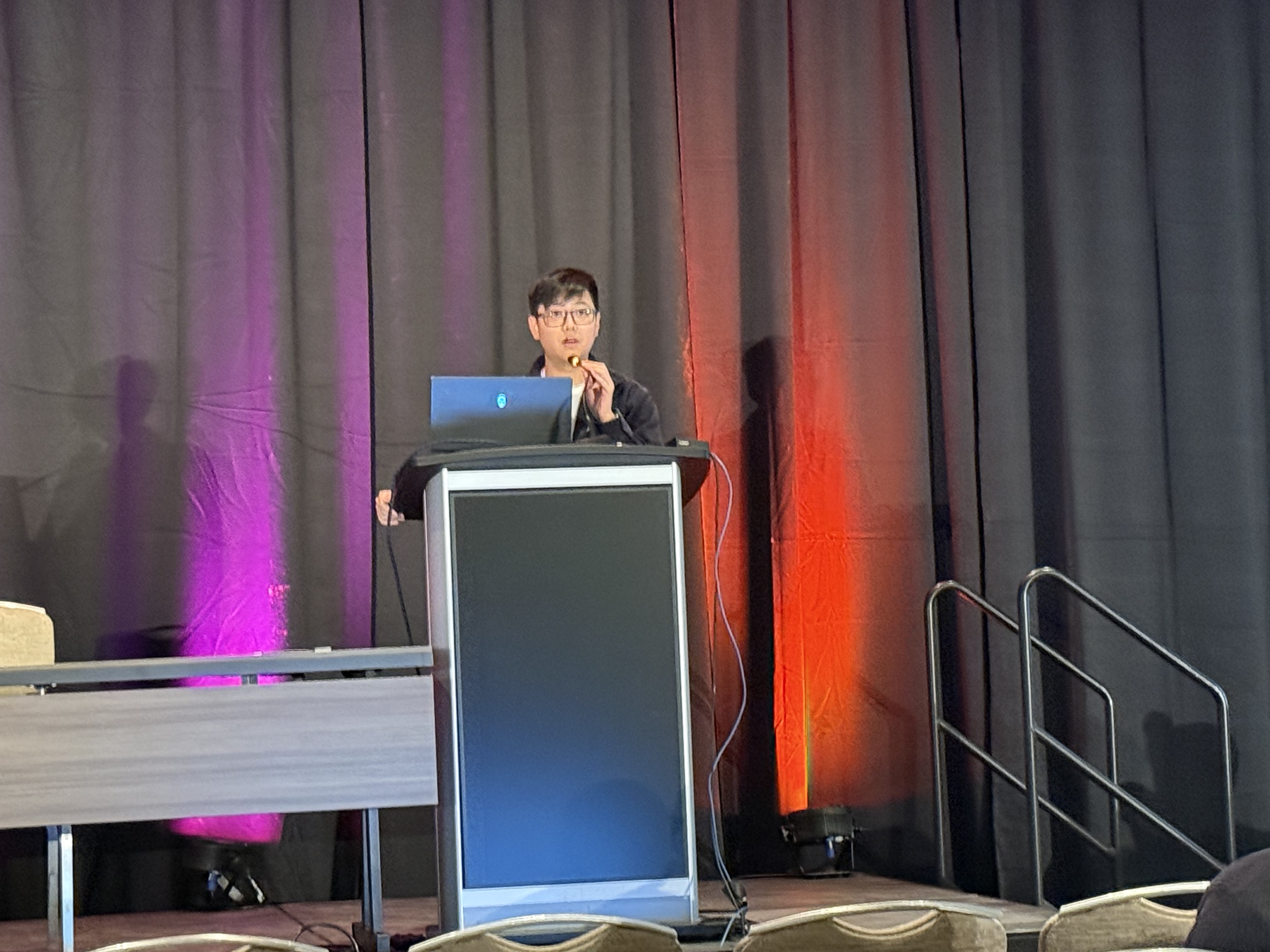
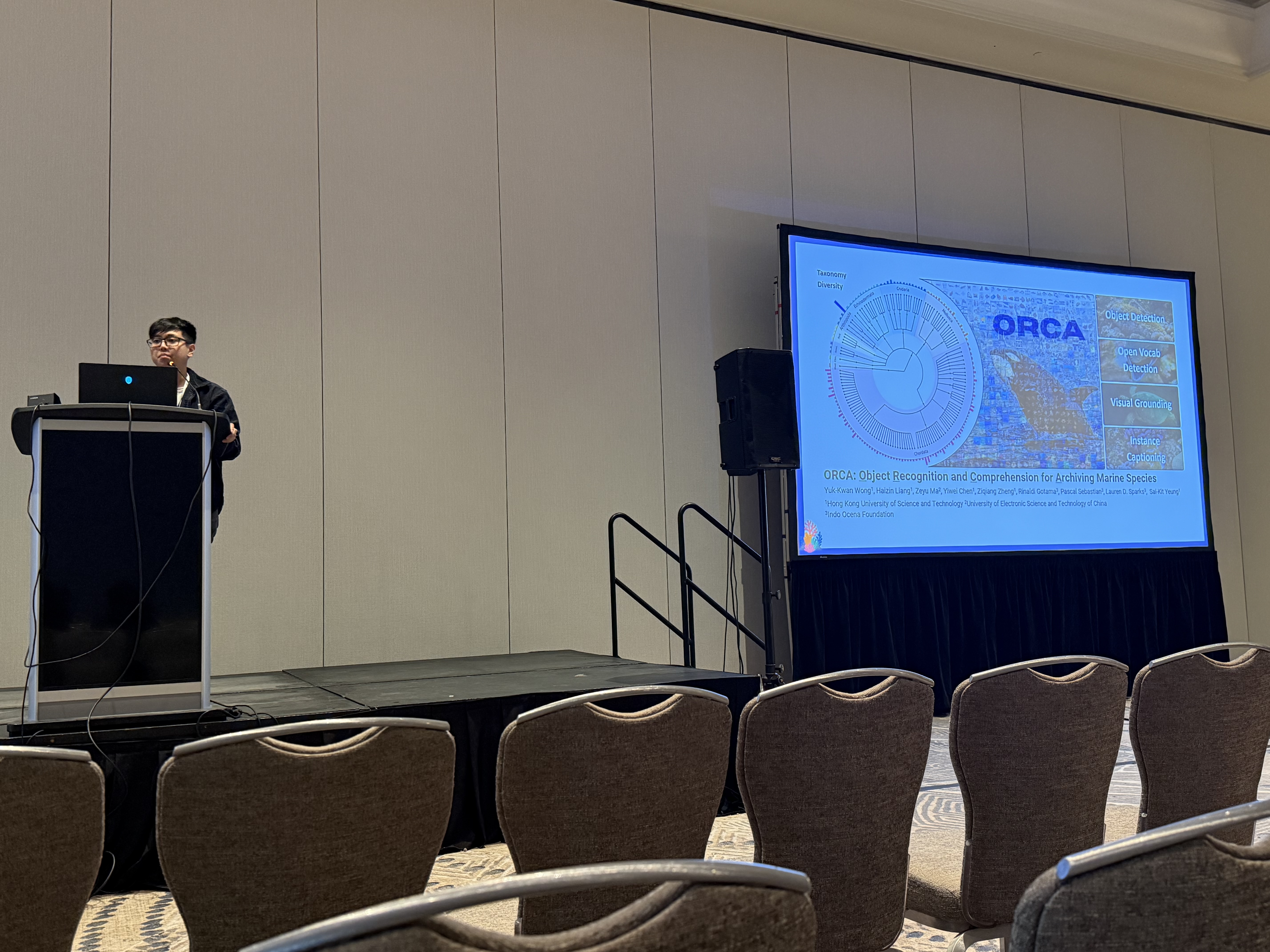
David WONG Yuk-Kwan (MPhil Student in Integrative Systems and Design) marks a triple triumph: two first‑authored papers were selected for oral presentation at the IEEE/CVF Winter Conference on Applications of Computer Vision (WACV) 2026—a distinction reserved for the top tier of accepted submissions worldwide—and he was interviewed by Computer Vision News about his work, underscoring the interdisciplinary strength of his computer‑vision research.
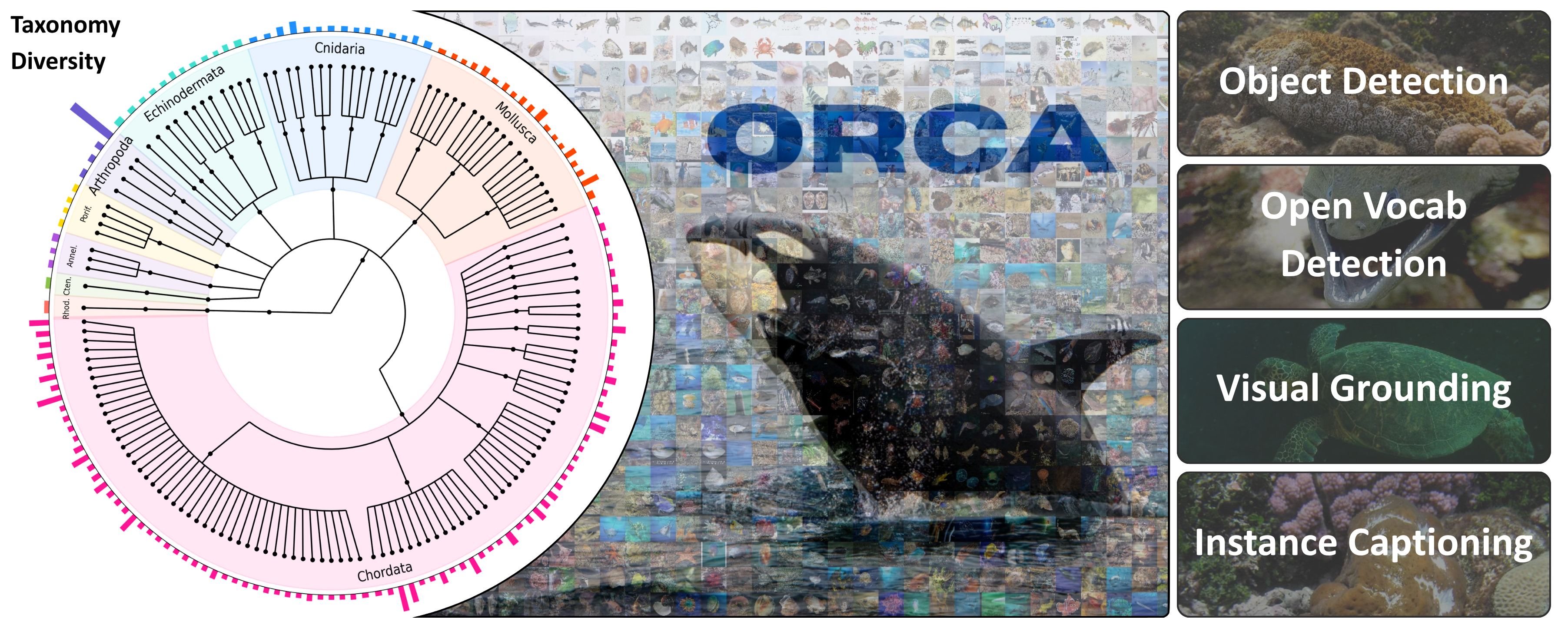
Supervised by Prof. Sai-Kit YEUNG (Professor in the Division of Integrative Systems and Design), David's papers titled “Orca: Object Recognition and Comprehension for Archiving Marine Species” and “MarineEval: Assessing the Marine Intelligence of Vision-Language Models” aim to bridge the gap between general vision–language models and marine science.
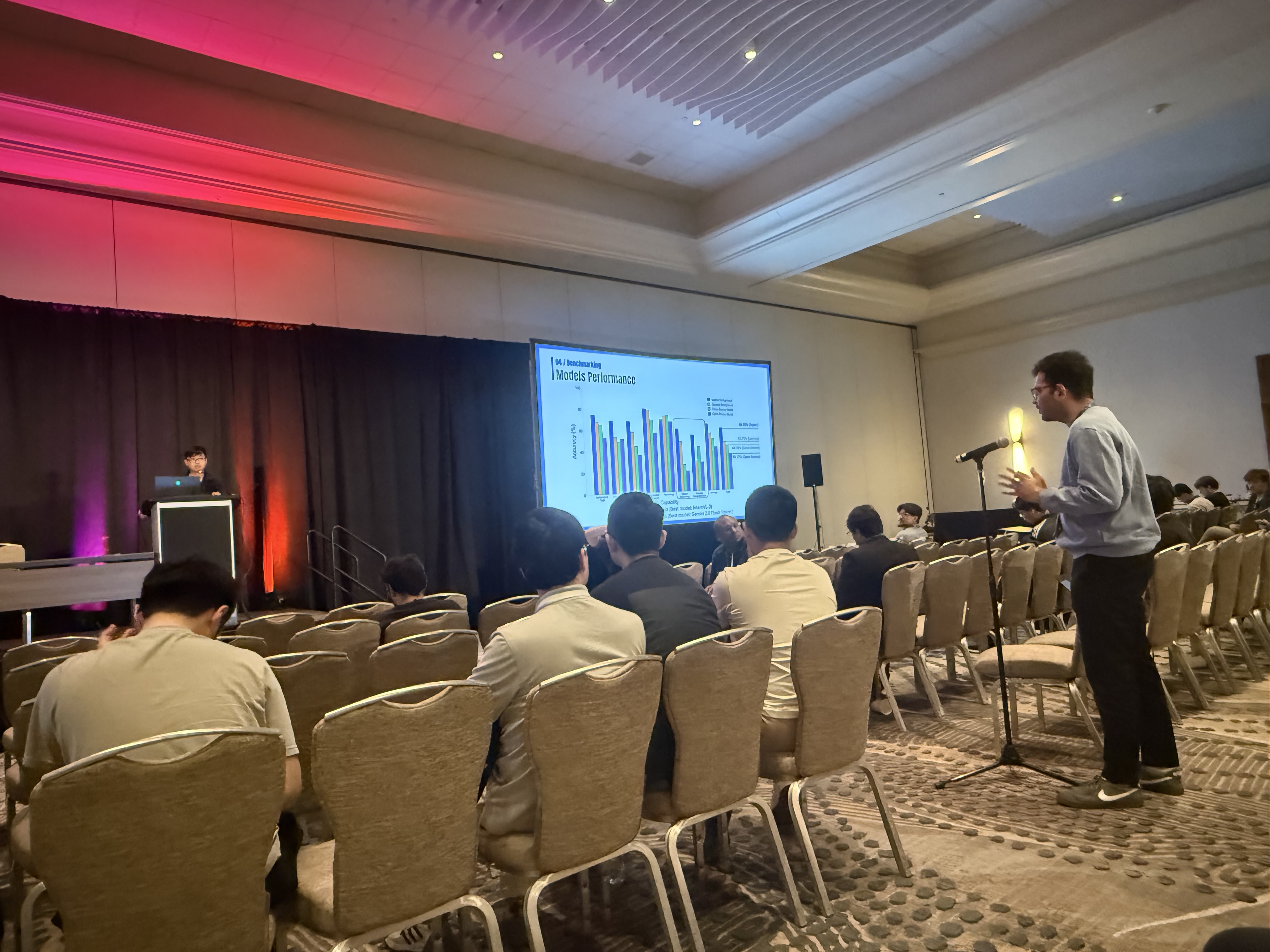
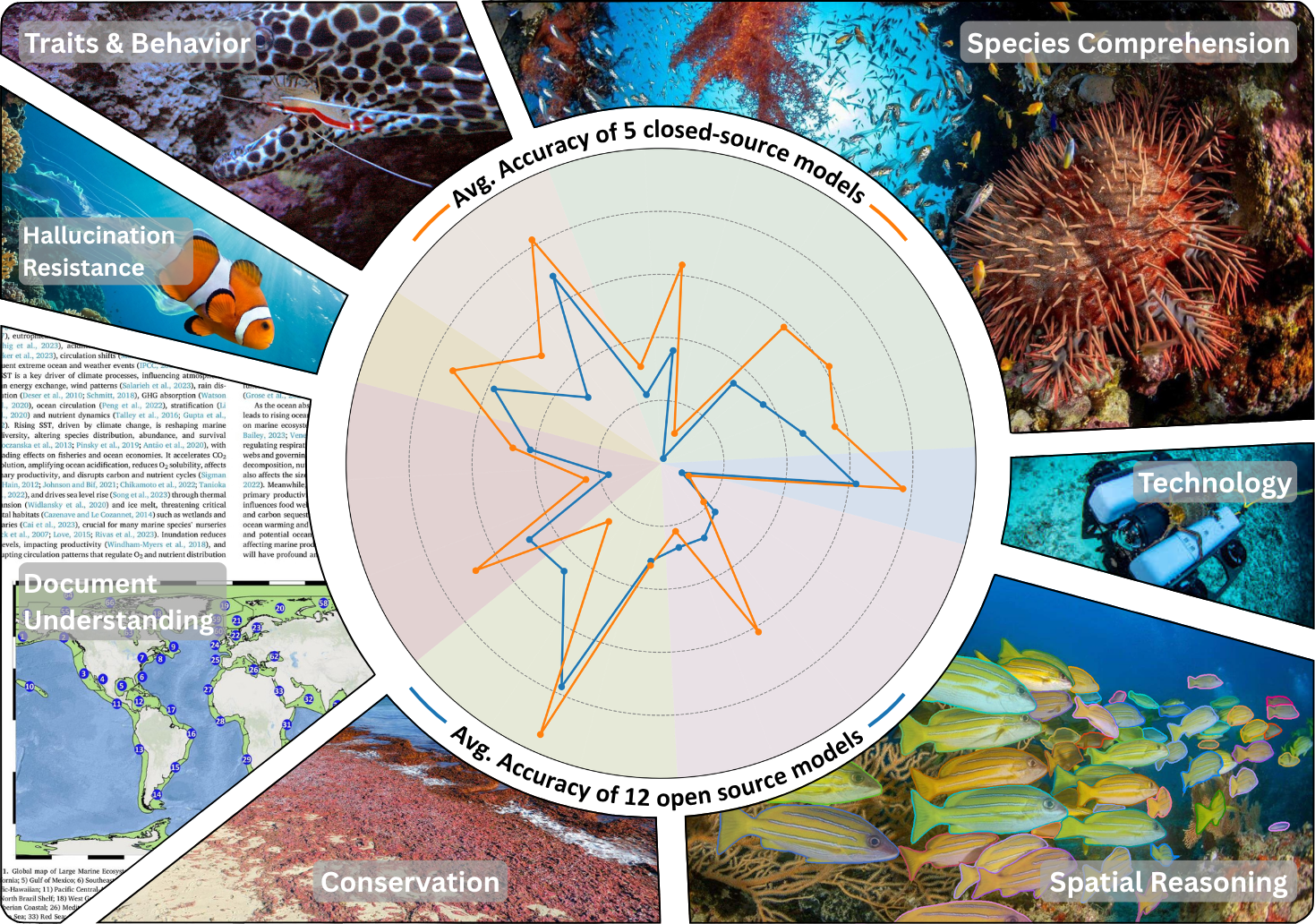
MarineEval and ORCA are the two advanced datasets developed by Prof. Yeung’s team. MarineEval is a benchmark designed to test whether state-of-the-art VLMs can act as marine experts: a 2,000 image–question benchmark testing 20 marine-specific capabilities (e.g., species identification, habitat understanding, ecological reasoning). Tasks require fine-grained, expert-level answers—such as naming a fish’s scientific name, describing its diet, or explaining its reproductive role—and evaluations across many models expose clear weaknesses in species comprehension and spatial reasoning. Since release in Jan 2026, MarineEval has attracted strong community interest, with nearly 3,000 downloads on Hugging Face.
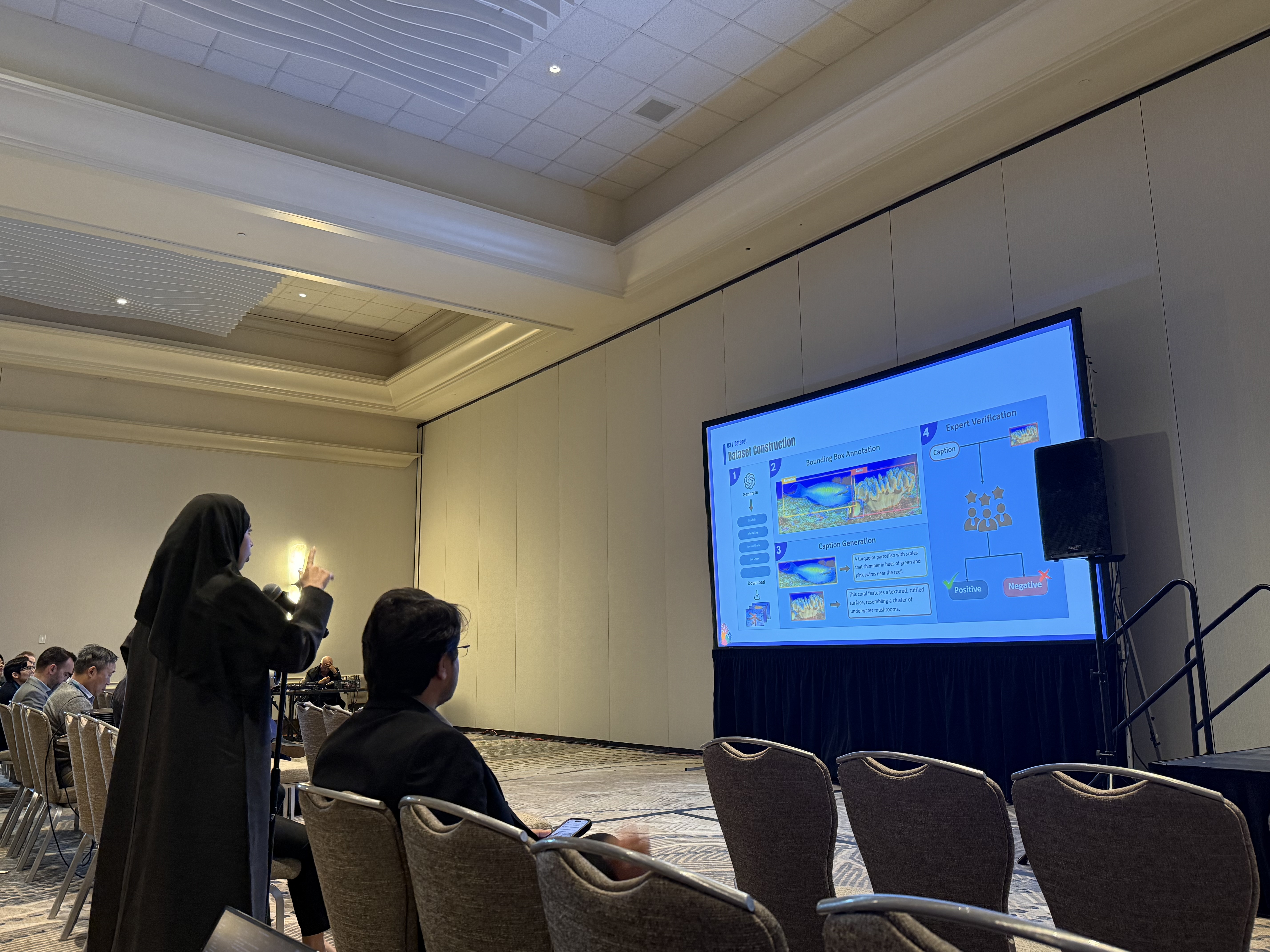
Focusing on marine-specific task reformulation, ORCA emphasizes fine-grained perception of morphological details and provides instance-level annotations—bounding boxes and expert, biologist informed captions—for over 14,000 underwater images; experiments show fine-tuning on ORCA substantially improves models’ interpretation of underwater scenes. Together, MarineEval and ORCA provide both an evaluation framework and a dataset foundation for advancing AI systems tailored to the unique challenges of marine science.
Apart from the positive feedback at WACV 2026 and the strong community attention, the team was also interviewed by Computer Vision News’ WACV Daily to discuss ORCA’s breakthroughs and the integration of biological expertise into computer vision research.
The WACV 2026, a premier international computer vision event, was held on March 6 – 10 in Tucson, Arizona, bringing together the leading experts from around the globe for several days of technical exchange and collaboration. The conference features peer-reviewed research, hands-on tutorials, and focused workshops covering the latest advances in AI and computer vision.
Read the interview: https://www.rsipvision.com/WACV2026-Sunday/10/